Cncworkholding Systems
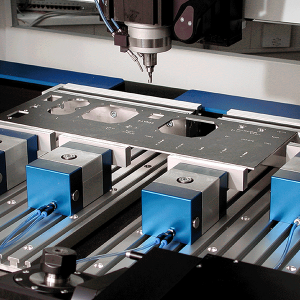
CNC workholding systems designed to securely locate and clamp workpieces during milling and machining operations. These systems include jigs, fixtures, vises, modular plates, and positioning solutions that improve accuracy, repeatability, and machining efficiency.
What is CNC Workholding?
Workholding is the general term for any device or system used to firmly secure a workpiece during machining operations. In CNC machining, proper workholding is essential to ensure accuracy, repeatability, safety, and surface quality.
Jigs vs Fixtures
- Fixture: Holds and locates the workpiece while it is being machined.
- Jig: Holds the workpiece and also guides the cutting tool. In CNC machining, jigs are rarely used because tool paths are controlled by G-code.
- In modern CNC practice, most workholding solutions are fixtures.
Main Components of a CNC Workholding System
- Workholding device: Milling vises, clamps, fixtures, jaws, or vacuum systems.
- Mounting and locating method: T-slot tables, modular fixture plates, subplates, 4th-axis systems, and locating pins.
Common CNC Workholding Solutions
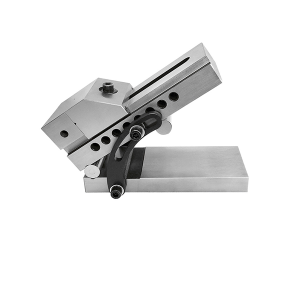
- Milling vises and precision vises
- Modular fixture systems
- Fixture plates and subplates
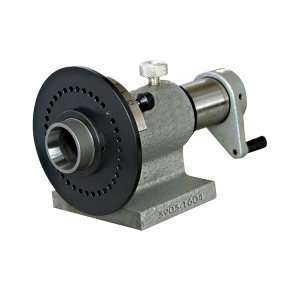
- 4th-axis and rotary workholding solutions
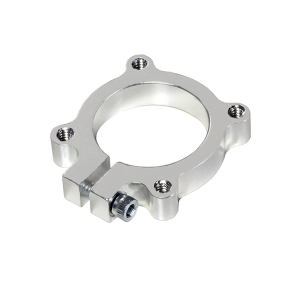
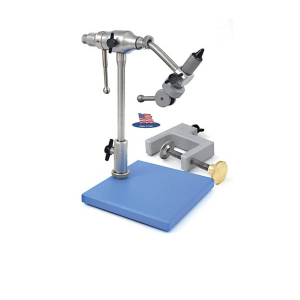
- Clamps, stops, and locating elements
- Custom fixtures for specific parts
Why CNC Workholding is Critical
- Ensures accurate positioning and repeatability
- Prevents part movement during cutting
- Improves machining precision and surface finish
- Reduces setup time and increases productivity
- Enhances operator safety
Custom & Modular Solutions
While many CNC machines are supplied without workholding systems, manufacturers and users rely on modular or custom-designed fixtures tailored to specific parts and production needs. These solutions allow flexibility, faster changeovers, and consistent machining quality.
Interested in Cncworkholding Systems?
Send us your specifications, quantities, or technical questions — our team will respond within 24 hours with pricing, lead time, and engineering details.
- ✓ 24h response
- ✓ 600+ product network
- ✓ No obligation