Blasting Media
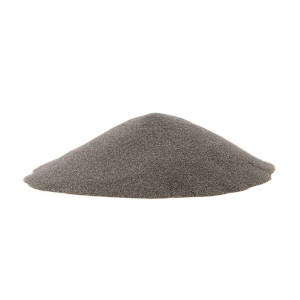
High quality Blasting Media designed for surface preparation, cleaning, stripping, and finishing applications across a wide range of industrial materials.
Overview
Blasting Media are abrasive materials used in surface treatment processes to clean, strip, profile, or finish substrates. They are propelled at high velocity using compressed air, centrifugal wheels, or water to remove contaminants and prepare surfaces for further processing.
Applications
Blasting media are widely used for stripping paints, removing primers, enamels, powder coatings, rust, and scale from a broad range of materials including steel, foundry metals, aluminum, bronze, plastics, composites, rubber, wood, brick, and stone.
Abrasives are also available for tumbling and deburring applications, as well as for peening and surface strengthening processes.
Blasting Process
Blasting is a surface treatment process where small angular or spherical particles are accelerated and directed toward a workpiece. This method is widely used due to its efficiency, cost-effectiveness, and high processing speed.
Material Removal Capabilities
- Rust and corrosion removal
- Heat-treat scale removal
- Paint and coating stripping
- Flash burn and surface contamination removal
- Dirt, grease, and residue cleaning
Surface Preparation Uses
- Preparation for painting and coating
- Preparation for plating and anodizing
- Surface conditioning prior to assembly
- Profiling metal surfaces to achieve anchor patterns
Types of Blasting Media
- Hard Abrasives: Used for aggressive cleaning, surface profiling, and peening applications where high material removal and anchor profiles are required.
- Soft Abrasives: Suitable for delicate substrates and applications requiring gentle cleaning without surface damage.
Blasting Variants
- Abrasive blasting
- Sand blasting
- Grit blasting
- Shot blasting
- Rock blasting
Key Selection Factors
- Media type and composition
- Particle shape (angular or spherical)
- Media size and density
- Hardness of blasting media
- Acceleration method and velocity
- Media flow rate and volume
- Blasting distance and impact angle
- Cycle time and process duration
Safety & Environment
Blasting operations are typically performed in enclosed blasting chambers or cabinets, or in controlled open-site environments such as buildings, bridges, tanks, vessels, and industrial plants. Common hazards include airborne dust, hazardous particles, and equipment-related risks, making proper safety controls and protective equipment essential.
Industrial Importance
Blasting Media play a critical role in manufacturing, construction, automotive, aerospace, marine, and heavy industry sectors. Proper selection of blasting media ensures optimal surface quality, coating adhesion, and long-term performance of treated components.
Interested in Blasting Media?
Send us your specifications, quantities, or technical questions — our team will respond within 24 hours with pricing, lead time, and engineering details.
- ✓ 24h response
- ✓ 600+ product network
- ✓ No obligation