Sprinkler Types
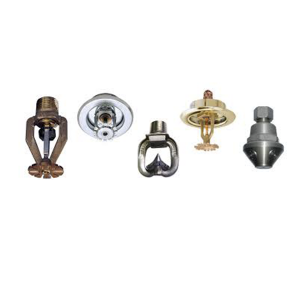
A comprehensive range of fire sprinkler system types designed to provide effective fire protection solutions for commercial, industrial, and special hazard applications.
Overview
Fire sprinkler systems play a critical role in protecting commercial and industrial buildings against fire and smoke hazards. Selecting the correct sprinkler type is essential to ensure effective fire suppression while minimizing potential damage to property and sensitive equipment.
Different sprinkler systems are designed to meet varying environmental conditions, risk levels, and operational requirements. Below is an overview of the most commonly used sprinkler system types and their typical applications.
Pre-Action Sprinkler Systems
Pre-action fire sprinkler systems are normally filled with pressurized air, and water is only allowed into the piping when an independent fire detection device, such as a smoke or heat detector, is activated. This system requires two separate events to occur before water discharge begins.
The dual-interlock design significantly reduces the risk of accidental water discharge caused by mechanical damage or false alarms. Pre-action systems are especially suitable for areas where water damage must be avoided.
Typical Applications
- Libraries and archives
- Data centers and server rooms
- Museums and galleries
- Facilities housing sensitive electronic equipment
Dry Pipe Sprinkler Systems
Dry pipe sprinkler systems contain pressurized air or nitrogen instead of water. When a sprinkler head is activated by heat, the pressurized air is released first, allowing water to flow into the piping and discharge through the open sprinkler.
This slight delay in water delivery is acceptable in environments where freezing temperatures could cause water-filled pipes to rupture. Dry pipe systems are equipped with quick-opening devices to minimize response time.
Typical Applications
- Cold storage facilities
- Unheated warehouses
- Parking garages
- Loading docks in cold climates
Wet Pipe Sprinkler Systems
Wet pipe sprinkler systems are the most widely used and simplest type of fire sprinkler system. The piping is constantly filled with water, allowing immediate discharge when a sprinkler head activates.
Due to their fast response, low installation cost, and minimal maintenance requirements, wet pipe systems are commonly used in buildings where freezing conditions are not a concern.
Typical Applications
- Office buildings
- Residential and high-rise buildings
- Commercial facilities
- Hotels and shopping centers
Deluge Sprinkler Systems
Deluge sprinkler systems utilize open sprinkler nozzles and are connected to a deluge valve controlled by a fire detection system. When a fire is detected, the deluge valve opens, allowing water to flow simultaneously from all sprinklers in the protected area.
These systems are designed for high-hazard environments where rapid fire spread is possible and immediate, large-volume water discharge is required.
Typical Applications
- Industrial plants
- Tank farms and fuel storage areas
- Power plants and transformer protection
- Facilities handling flammable liquids
System Selection Considerations
When choosing a sprinkler system, several factors must be evaluated, including building occupancy, environmental conditions, fire risk level, storage type, temperature exposure, and potential water damage concerns. Proper system selection ensures optimal fire protection performance and compliance with fire safety regulations.
Key Benefits of Sprinkler Systems
- Rapid fire detection and suppression
- Reduced fire spread and structural damage
- Enhanced occupant safety
- Lower insurance and fire-related losses
- Compliance with international fire protection standards
Interested in Sprinkler Types?
Send us your specifications, quantities, or technical questions — our team will respond within 24 hours with pricing, lead time, and engineering details.
- ✓ 24h response
- ✓ 600+ product network
- ✓ No obligation
.DNKzwhd3.png)