Saw Machines
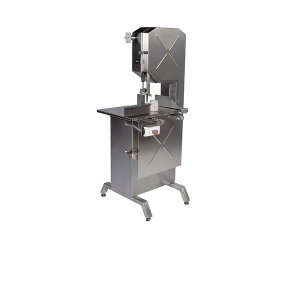
High quality Saw Machines designed for precise and efficient cutting of wood, metal, plastic, and other materials using toothed blades or cutting discs.
Overview
Saw machines are cutting machines used to separate materials by means of a toothed blade, band, chain, or rotating disc. They are widely used in woodworking, metalworking, construction, and industrial manufacturing for straight, curved, angled, and precision cuts.
Basic Definition
A saw machine is a hand-operated, power-driven, or fully industrial machine designed to cut hard materials such as wood, metal, plastic, or composites. Cutting action is achieved by repetitive tooth contact or continuous blade motion against the workpiece.
Working Principle
Saw machines operate by moving a toothed blade or cutting disc relative to a fixed or guided workpiece. As the blade advances, the teeth remove material in small chips, creating a controlled cut. Cutting accuracy depends on blade type, tooth geometry, speed, feed rate, and material hardness.
Main Components
- Cutting Blade: Toothed blade, band, chain, or disc designed for specific materials.
- Motor: Provides rotational or linear cutting power.
- Blade Guide System: Ensures straight, stable, and accurate cutting.
- Work Table or Clamping System: Supports and secures the workpiece.
- Safety Guards: Protect operators from blade contact.
Types of Saw Machines
- Band Saw: Uses a continuous band blade for straight or curved cuts.
- Circular Saw: Employs a rotating circular blade for fast straight cuts.
- Miter Saw: Designed for accurate angled and cross cuts.
- Chop Saw: Heavy-duty saw for cutting metal profiles and pipes.
- Jigsaw: Handheld saw for intricate and curved cuts.
- Reciprocating Saw: Uses a push-pull blade motion for demolition and rough cutting.
- Chain Saw: Uses a chain-mounted cutting system for wood and forestry applications.
- Radial Arm Saw: Allows crosscutting and ripping with a movable blade arm.
Hand Saws vs Power Saws
Hand saws are manually operated and offer high control for fine work, while power saws increase cutting speed, efficiency, and consistency. Industrial saw machines are designed for continuous operation and heavy-duty production environments.
Blade Types & Cutting Purpose
- Rip Saw Blades: Designed for cutting along the wood grain.
- Crosscut Blades: Used for cutting across the grain.
- Fine-Tooth Blades: Reduce splintering in plywood and laminates.
- Grooving Blades: Used to create wide grooves or joints.
Materials That Can Be Cut
- Wood and wood-based panels
- Steel, aluminum, and metal profiles
- Plastic and composite materials
- Pipes, tubes, and structural components
Applications
- Woodworking and furniture manufacturing
- Metal fabrication and workshops
- Construction and renovation projects
- Industrial production lines
- Maintenance and demolition work
Advantages
- Fast and accurate cutting operations
- Wide range of blade options for different materials
- Suitable for straight, curved, and angled cuts
- Available in portable and industrial configurations
Limitations
- Incorrect blade selection may cause poor cut quality
- Blade wear requires regular maintenance
- Safety precautions are essential during operation
Industrial Importance
Saw machines are fundamental tools in manufacturing and construction industries. Their ability to efficiently cut a wide range of materials with precision makes them indispensable for material preparation, fabrication, and assembly processes.
Interested in Saw Machines?
Send us your specifications, quantities, or technical questions — our team will respond within 24 hours with pricing, lead time, and engineering details.
- ✓ 24h response
- ✓ 600+ product network
- ✓ No obligation