Dowel Bar Retrofit
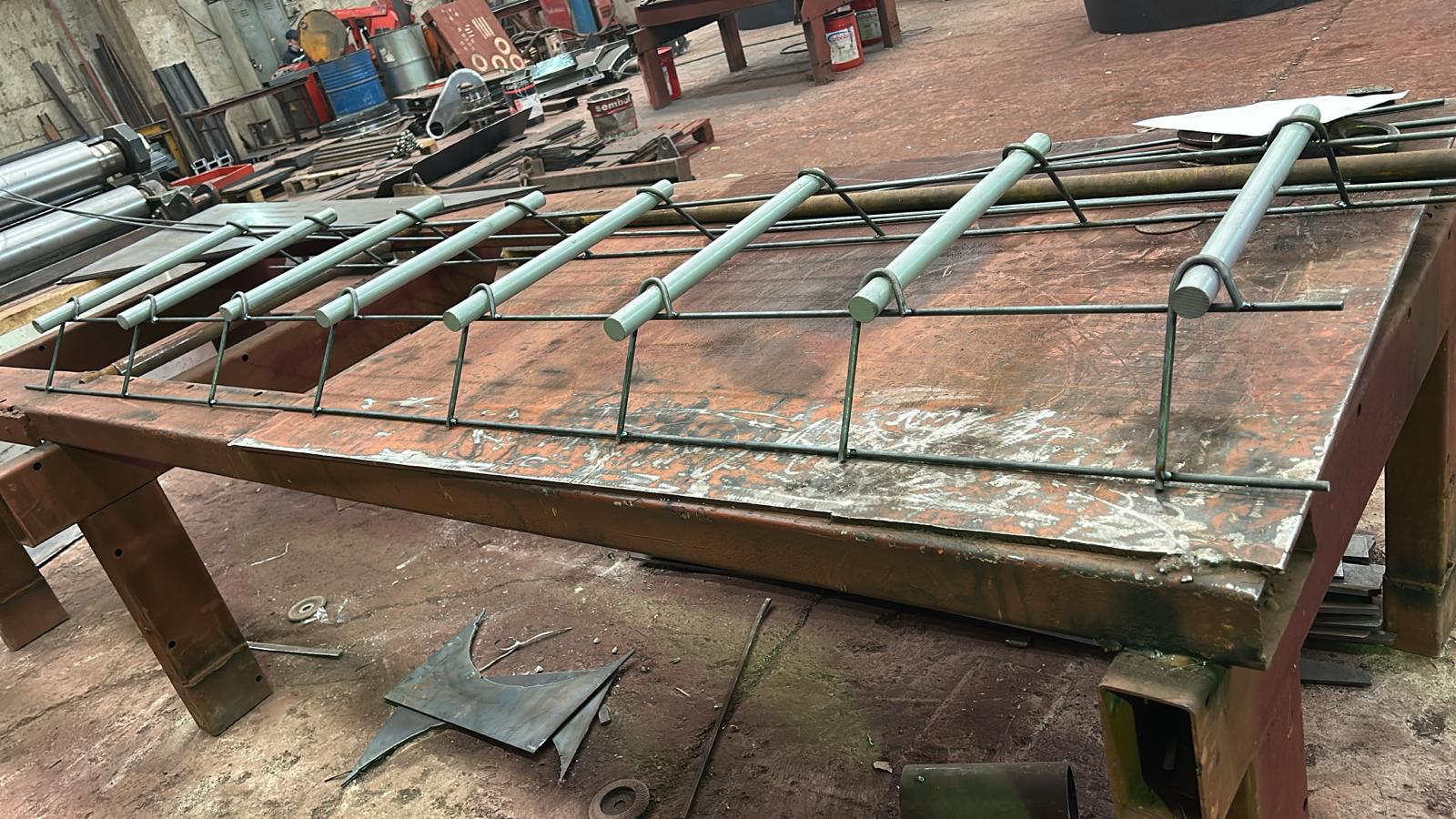
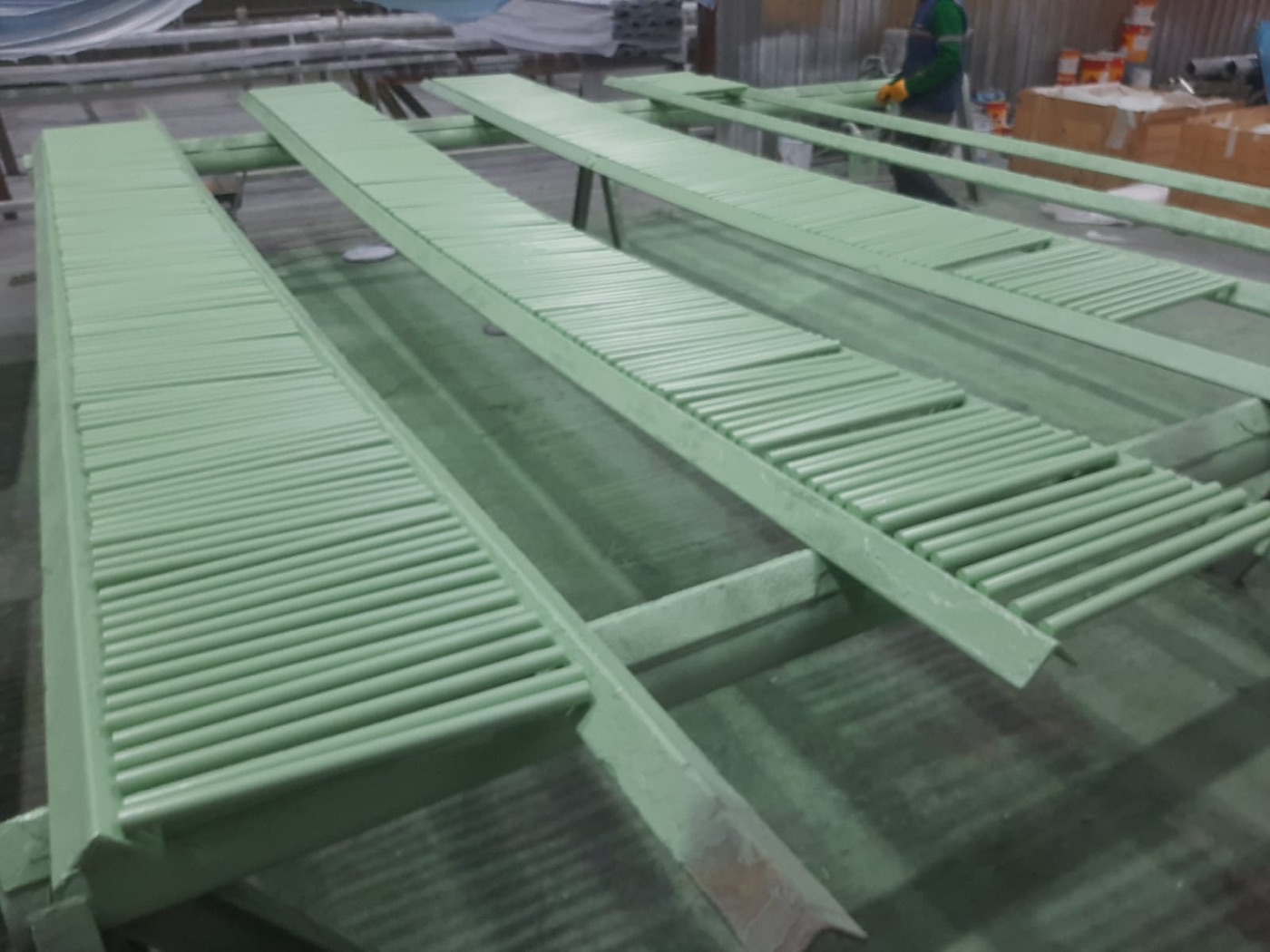
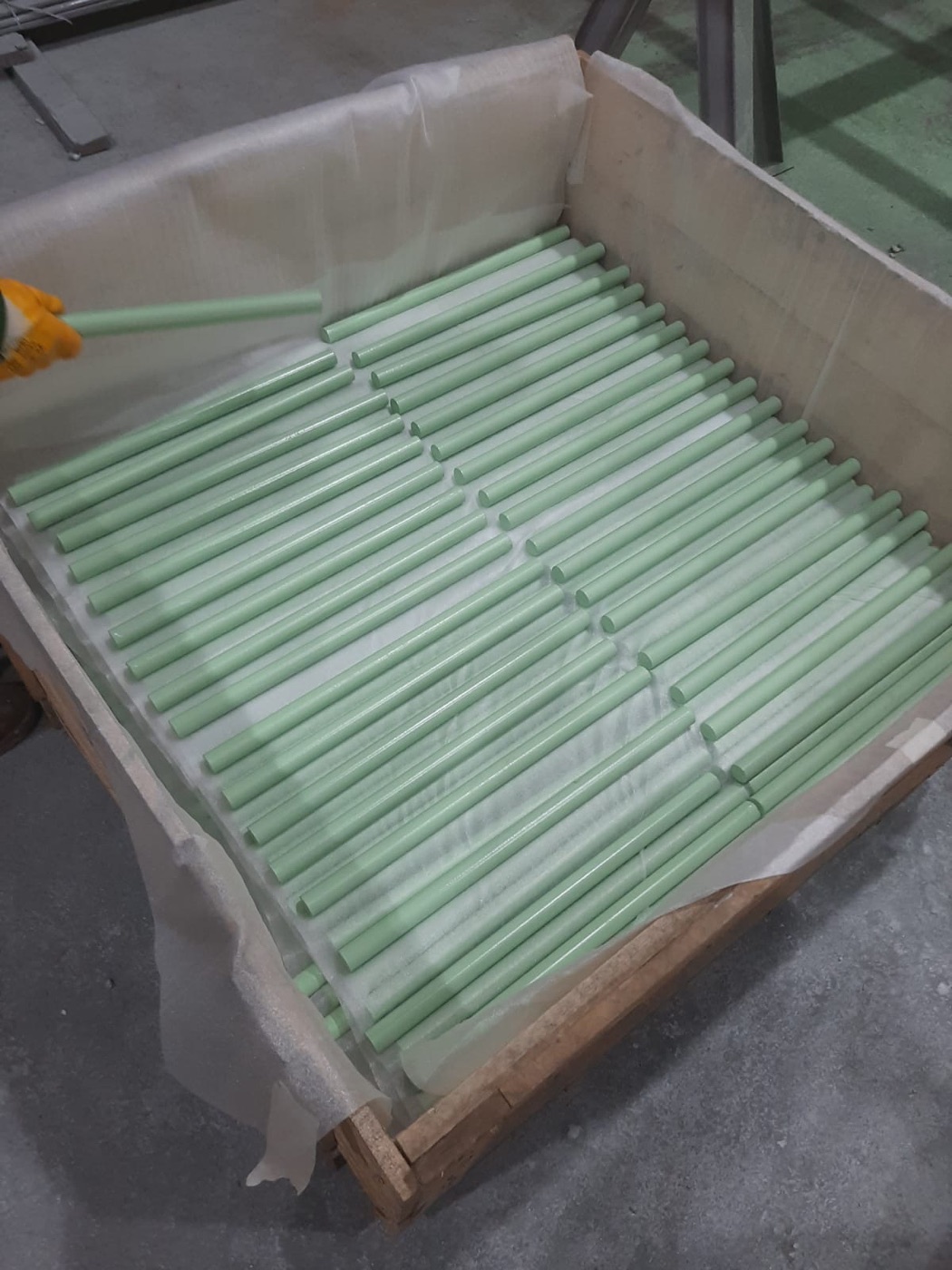
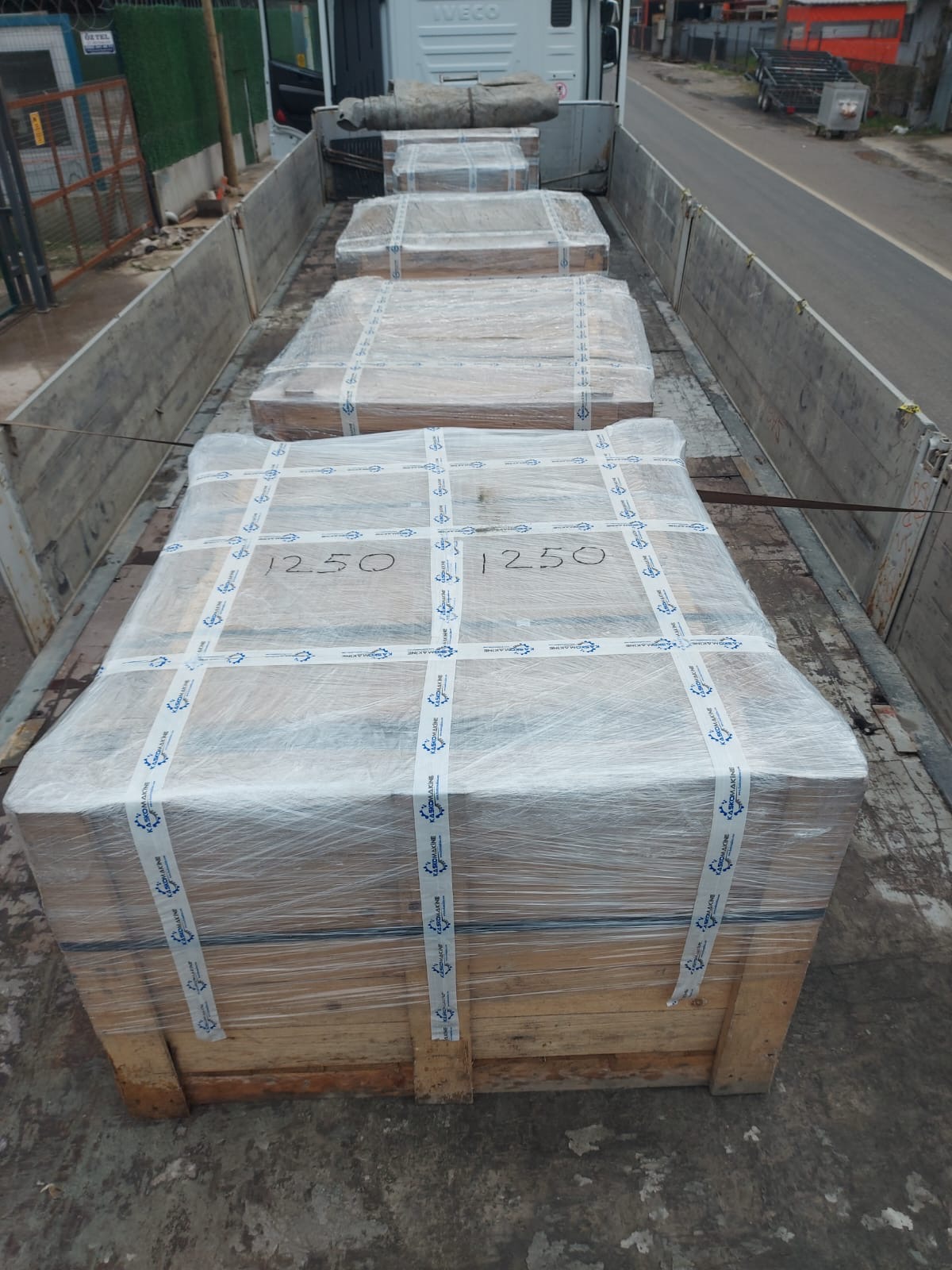
Dowel Bar Retrofit systems supplied by Kasko Makine for pavement rehabilitation, using epoxy coated dowel bars to restore load transfer across joints and cracks with high corrosion resistance.
Overview
Dowel Bar Retrofit is a pavement rehabilitation method used to reestablish load transfer across joints or cracks in concrete pavements. Kasko Makine offers epoxy coated dowel bars with high corrosion resistance, produced using Fusion Bonded Epoxy powder coating.
Product & Manufacturing (As Provided)
Kasko Makine produces dowel bars designed specifically for retrofit applications, ensuring durability, dimensional accuracy, and long-term performance in road construction and repair projects.
Retrofit Method & Purpose (As Provided)
The retrofit process involves cutting slots across existing joints or cracks to install new dowel bars. The main objective is to repair faulted joints or cracks and prevent the recurrence of pavement distress.
Load Transfer Concept (As Provided)
Load transfer refers to the ability of a joint to transfer a portion of an applied load from one concrete slab to an adjacent slab. Higher load transfer results in more even distribution of loads to the subbase and subgrade, leading to improved pavement performance and service life.
Performance Benefits (As Provided)
- Restores effective load transfer across joints and cracks
- Reduces faulting, pumping, corner breaks, and spalling
- Improves overall pavement durability and performance
- Epoxy coating provides enhanced corrosion resistance
Application Limitations (As Provided)
- Not recommended for joints or cracks that are severely spalled
- In such cases, full-depth or partial-depth patching is required before retrofit
Operational Advantages (As Provided)
- Extends pavement service life
- Cost-effective alternative to full pavement replacement
- Improves load distribution and riding quality
- Suitable for highway, road, and infrastructure rehabilitation projects
Interested in Dowel Bar Retrofit?
Send us your specifications, quantities, or technical questions — our team will respond within 24 hours with pricing, lead time, and engineering details.
- ✓ 24h response
- ✓ 600+ product network
- ✓ No obligation