Circular Saw Blades
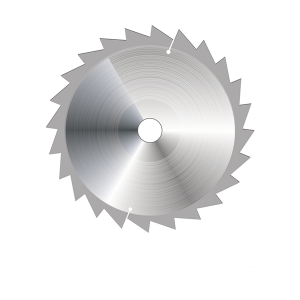
High quality Circular Saw Blades engineered for precise, efficient cutting of wood, plywood, plastics, aluminum, and selected metals across professional and industrial applications.
Overview
Circular Saw Blades are rotating cutting tools used on circular saw machines to cut a wide range of materials using a continuous rotary motion. The blade spins around an arbor and removes material through its toothed or abrasive cutting edge, delivering fast and accurate cuts.
Blade Construction
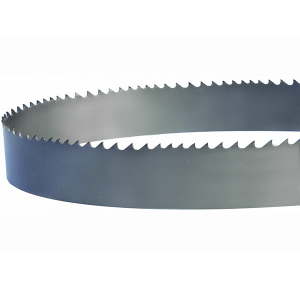
Circular saw blades are typically manufactured from hardened steel bodies, with cutting edges designed according to the intended application. Depending on the blade type, teeth may be formed directly from steel or brazed with carbide tips for extended durability and cutting performance.
Blade Material Types
- Steel Blades: Feature bent or formed teeth made directly from steel. Suitable for general wood cutting, economical, but dull faster than carbide blades.
- Carbide-Tipped Blades: Equipped with tungsten carbide teeth brazed to a steel body. Offer longer service life, higher heat resistance, and improved cutting accuracy.
- Solid Carbide Blades: Manufactured entirely from tungsten carbide. Used for high-precision cutting of specialized materials such as laminates, plastics, and non-ferrous metals.
Common Blade Types by Application
- Crosscut Blades: Designed with a high tooth count to produce smooth, clean cuts across the grain of wood.
- Ripping Blades: Feature fewer teeth with flat-top grinds for fast cutting along the grain, producing rougher cuts.
- Combination Blades: Designed to perform both ripping and crosscutting operations, offering versatility for general-purpose use.
- Plywood Blades: Equipped with many small, closely spaced teeth to minimize splintering when cutting plywood and panel materials.
- Aluminum Cutting Blades: Feature thicker, specially ground carbide teeth suitable for aluminum and other light non-ferrous metals.
Cutting Performance
Blade selection depends on material type, thickness, desired surface finish, and cutting speed. Tooth geometry, tooth count, gullet size, and blade material all play critical roles in cutting efficiency and quality.
Applications
- Woodworking and carpentry
- Furniture and cabinetry production
- Plywood and laminated board cutting
- Plastic and composite materials
- Aluminum and light metal cutting
- Construction and industrial workshops
Advantages
- Fast and accurate cutting performance
- Wide variety of blade designs for different materials
- Long service life with carbide-tipped options
- Clean cuts with reduced splintering when properly selected
- Compatible with handheld and stationary circular saw machines
Conclusion
Circular Saw Blades are essential cutting tools for professional and industrial use. Selecting the correct blade type ensures optimal cutting efficiency, surface quality, and tool longevity across a wide range of materials and applications.
Interested in Circular Saw Blades?
Send us your specifications, quantities, or technical questions — our team will respond within 24 hours with pricing, lead time, and engineering details.
- ✓ 24h response
- ✓ 600+ product network
- ✓ No obligation