Plumbing Pumps
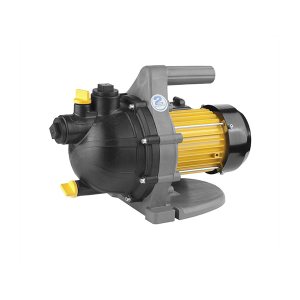
Plumbing pumps are essential devices used to move, drain, or circulate water in residential, commercial, and light industrial plumbing systems. They ensure reliable water removal, pressure control, and protection against flooding and moisture-related damage.
Overview
Plumbing pumps are designed to manage water flow in buildings by removing excess water, maintaining dry conditions, and supporting drainage and circulation systems. They are commonly installed in basements, crawlspaces, and plumbing networks where gravity drainage alone is insufficient.
Common Types
- Sump Pumps: Used to remove accumulated water from sump basins in basements or crawlspaces
- Drainage Pumps: Handle surface and wastewater in plumbing systems
- Booster Pumps: Increase water pressure in low-pressure plumbing lines
Operating Principle
A typical sump pump is installed in the lowest point of a structure. Water flows into a sump pit through drains or natural groundwater migration. When the water reaches a certain level, the pump activates automatically and discharges the water away from the building to prevent flooding.
Design & Features
- Compact and robust pump construction
- Automatic operation using float or pressure switches
- Available with battery backup for power outages
- Designed for continuous or intermittent operation
Applications
- Basements and crawlspaces
- Residential and commercial buildings
- Plumbing drainage systems
- Flood prevention and water management
Key Advantages
- Prevents water accumulation and flooding
- Protects building structures from moisture damage
- Improves overall plumbing system reliability
- Easy installation and maintenance
System Integration
Plumbing pumps are typically integrated into broader plumbing systems that include pipes, valves, filters, and drainage components. Proper selection and installation ensure efficient water control and long-term system performance.
Interested in Plumbing Pumps?
Send us your specifications, quantities, or technical questions — our team will respond within 24 hours with pricing, lead time, and engineering details.
- ✓ 24h response
- ✓ 600+ product network
- ✓ No obligation