
Fire Extinguishers
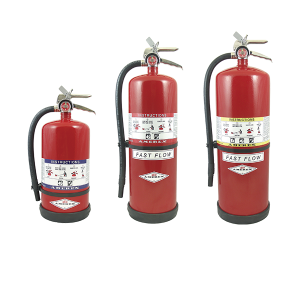
Fire Extinguishers designed for rapid manual fire suppression, available in various types and capacities to address different classes of fire hazards in industrial, commercial, and residential environments.
Overview
Fire extinguishers are essential first-response fire protection devices used to control or extinguish small fires before they grow and spread. Knowing the correct type and location of fire extinguishers in the workplace is critical for effective emergency response.
Pre-Use Awareness (As Provided)
Before an emergency occurs, personnel should be familiar with the locations and types of fire extinguishers available. Fire extinguishers can be heavy, so it is recommended to practice lifting and handling them to understand their weight and balance.
Operating Instructions & Safety (As Provided)
Users should carefully read the operating instructions and warnings printed on the extinguisher label. Fire extinguishers may differ in appearance and operation depending on the extinguishing agent and design.
It is important to practice releasing the discharge hose or horn and aiming it at the base of an imagined fire. The safety pin should not be pulled and the lever should not be squeezed during practice, as this would break the seal and cause loss of pressure.
PASS Method for Fire Extinguisher Use (As Provided)
When it is time to operate a fire extinguisher during an actual fire, the PASS method should be followed:
- P – Pull: Pull the safety pin to break the tamper seal.
- A – Aim: Aim the nozzle or hose at the base of the fire from a safe distance.
- S – Squeeze: Squeeze the operating lever to discharge the extinguishing agent.
- S – Sweep: Sweep the nozzle or hose from side to side until the fire is extinguished.
Fire Suppression Technique (As Provided)
Discharge should begin from the recommended safe distance. As the fire diminishes, the operator may move forward or around the fire area while continuing to sweep the nozzle. The area should be monitored after extinguishment to ensure there is no re-ignition.
Typical Applications
- Industrial facilities
- Commercial buildings
- Warehouses and storage areas
- Residential and public spaces
Operational Benefits
- Immediate response to incipient-stage fires
- Reduces risk of fire spread and property damage
- Simple and reliable manual operation
- Essential component of fire safety and emergency preparedness programs
Important Considerations
Fire extinguishers are intended for use on small, manageable fires. If a fire is spreading rapidly, producing excessive smoke, or cannot be controlled safely, evacuation and professional fire-fighting response should be prioritized.
.DNKzwhd3.png)