Fixture Plates & Columns
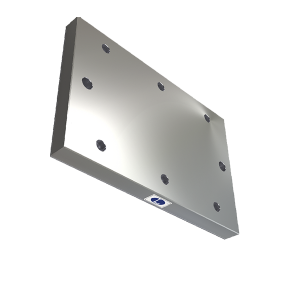
Precision fixture plates and columns designed to provide stable, flat, and repeatable workholding and positioning surfaces for machining, inspection, and manufacturing operations. Ideal for use with vises, clamps, rotary tables, pallets, and modular fixturing systems.
Overview
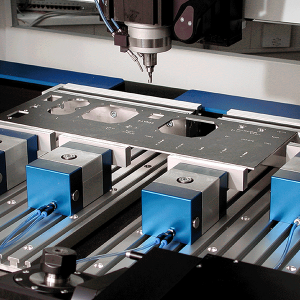
Fixture plates and columns are essential workholding and positioning components used to securely locate and support workpieces, vises, and clamping systems during machining, assembly, and dimensional inspection. Fixture columns—often referred to as tooling columns or tombstones—are commonly mounted on rotary tables or directly onto pallets to enable multi-sided machining.
Fixture Columns (Tooling Columns / Tombstones)
Fixture columns are lightweight yet rigid structures, typically manufactured from high-strength aluminum alloys. They allow multiple workpieces to be mounted on several faces, increasing spindle utilization and reducing setup time in CNC machining centers.
- Suitable for rotary tables and pallet systems
- Multi-face machining capability
- High stiffness with reduced weight
Tooling Plates
Tooling plates provide flat, stable mounting surfaces for vises, clamps, locators, and workpieces. They are used across machining, setup, and inspection applications where accuracy and repeatability are critical.
Materials
- Aluminum
- Cast Iron
- Granite
- Stainless Steel
- Steel
Manufacturing & Finish
To ensure dimensional stability and accuracy, fixture plates and columns are typically stress relieved, precision machined, and ground or polished flat. Mounting features such as holes, slots, or T-slots are added to facilitate clamping and fixturing.
- Stress relieved for stability
- Machined and ground flat surfaces
- Precision hole patterns, slots, or T-slots
Common Types
- Angle Plates: Used in machining, inspection, and layout; typically cast iron with square faces and slots or T-slots.
- Base Plates: Foundation plates for machine tools and heavy machinery.
- Box Cubes / Clamping Cubes: Machined on all six sides with slots for multi-face workholding.
- Box Brackets / Riser Plates: Used to elevate clamps and locators parallel to the tooling plate.
- Floor Rails: Mounted to floors with hole patterns for bridge or table mounting.
- Pallet Tooling Plates: Used as workholding surfaces on palletized conveyor and automation systems.
Applications
- CNC machining centers
- Rotary table and 4th-axis machining
- Setup and inspection stations
- Palletized and automated production lines
- Precision manufacturing and tooling
Key Advantages
- Improved accuracy and repeatability
- Reduced setup and changeover time
- Flexible and modular fixturing options
- Enhanced productivity through multi-face machining
Interested in Fixture Plates & Columns?
Send us your specifications, quantities, or technical questions — our team will respond within 24 hours with pricing, lead time, and engineering details.
- ✓ 24h response
- ✓ 600+ product network
- ✓ No obligation