Non Metallic Gaskets
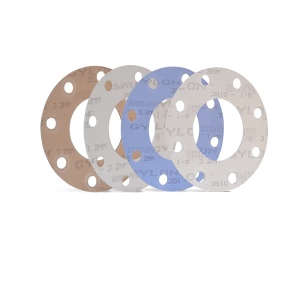
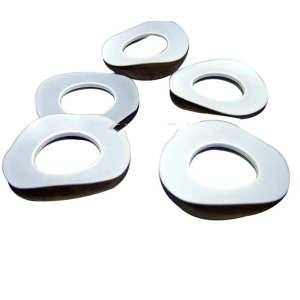
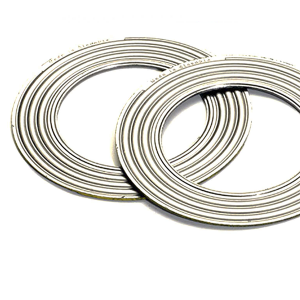
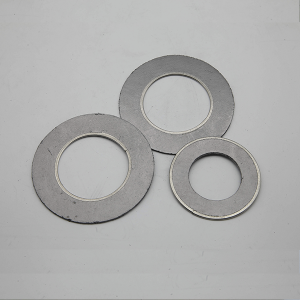
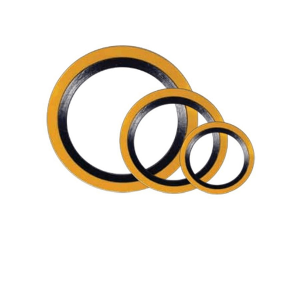
Non-metallic gaskets are soft sealing solutions manufactured from composite and non-asbestos materials, designed for low to medium pressure applications with flat-face and raised-face flanges.
Overview
Non-metallic gaskets are sealing elements manufactured from composite sheet materials and soft sealing compounds. They are primarily used in low pressure and moderate temperature applications where flexibility, chemical resistance, and ease of sealing are required.
Design & Construction
- Manufactured from composite or soft non-metallic materials
- Designed for flat-face (FF) and raised-face (RF) flange connections
- Provide excellent conformability to flange surface imperfections
- Available as full-face or flat-ring gasket types
Types of Non-Metallic Gaskets
- Full-face gaskets (for flat-face flanges)
- Flat-ring gaskets (for raised-face flanges)
- Compressed fiber gaskets
- PTFE and reinforced PTFE (RPTFE) gaskets
- Flexible graphite gaskets
Materials
- Aramid fiber
- Glass fiber
- Elastomers
- PTFE (Teflon®) and RPTFE
- Flexible graphite
- Compressed non-asbestos fiber (NAF)
- Compressed asbestos fiber (CAF), where permitted
Standards
- ASME B16.21 – Non-metallic flat gaskets for pipe flanges
Performance Characteristics
- Suitable for low to medium pressure applications
- Good chemical resistance depending on material selection
- Excellent sealing at low bolt loads
- High flexibility and adaptability to flange surfaces
Applications
- Water and wastewater systems
- Low-pressure steam lines
- Chemical processing with corrosive media
- HVAC and utility piping systems
- Oil, gas, and general industrial services
Advantages
- Easy installation and replacement
- Excellent sealing with lower bolt loads
- Wide range of material options for chemical compatibility
- Cost-effective solution for standard service conditions
Notes
- Material selection should consider pressure, temperature, and process media
- Not recommended for very high pressure or extreme temperature applications
- PTFE and RPTFE gaskets are preferred for highly corrosive environments
We manufacture custom
Interested in Non Metallic Gaskets?
Send us your specifications, quantities, or technical questions — our team will respond within 24 hours with pricing, lead time, and engineering details.
- ✓ 24h response
- ✓ 600+ product network
- ✓ No obligation