Ring Joint Gaskets
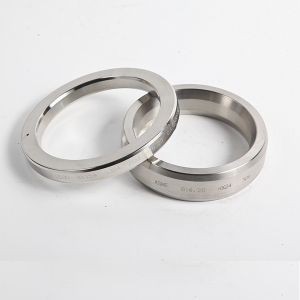
Ring Joint Gaskets (RTJ) are precision-machined metallic sealing rings designed for high-pressure and high-temperature flange connections, providing superior leak-tight sealing in critical industrial applications.
Overview
Ring Joint Gaskets, commonly known as RTJ gaskets, are metallic gaskets specifically designed for use with ring-type joint flanges. They create a metal-to-metal seal by being compressed into the machined grooves of the mating flanges, ensuring exceptional sealing performance under extreme pressure and temperature conditions.
Design & Sealing Principle
- Precision-machined metallic ring gasket
- Inner Diameter (ID) and Outer Diameter (OD) matched to flange groove
- Metal-to-metal contact provides leak-tight sealing
- Seal improves as internal pressure increases
Types of Ring Joint Gaskets
- Oval Type (R Series)
- Octagonal Type (R Series)
- RX Type (self-energizing, higher pressure rating)
- BX Type (for very high pressure applications)
Materials
- Carbon Steel
- Stainless Steel (SS 304, SS 316, SS 316L, etc.)
- Low Alloy Steel
- Nickel Alloys (Inconel, Monel, Hastelloy – upon request)
Standards
- ASME B16.20
- API 6A / API 17D (oil & gas applications)
Operating Characteristics
- Designed for very high pressure and high temperature service
- Requires high bolt load to achieve proper sealing
- Excellent resistance to pressure, temperature, and chemical attack
Applications
- Oil and gas production and refining
- Petrochemical plants
- High-pressure pipelines
- Heat exchangers
- Valves and pressure vessels
- Offshore and subsea installations
Advantages
- Outstanding sealing performance under extreme conditions
- Metal-to-metal seal minimizes leakage risk
- Suitable for cyclic pressure and temperature service
- Wide range of materials for different media compatibility
Notes
- RTJ gaskets are not reusable after installation
- Proper flange groove machining is essential
- Correct bolt torque is critical for leak-free operation
We manufacture custom
Interested in Ring Joint Gaskets?
Send us your specifications, quantities, or technical questions — our team will respond within 24 hours with pricing, lead time, and engineering details.
- ✓ 24h response
- ✓ 600+ product network
- ✓ No obligation