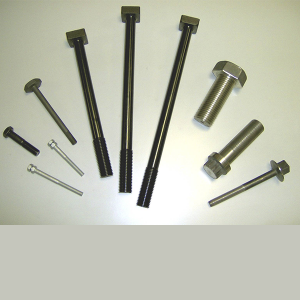
Anchors, Bolts, Tension Bars & Rods
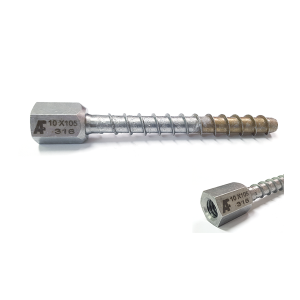
Anchors, bolts, tension bars, and rods are structural fastening and load-transfer components designed to securely connect structural and non-structural elements to concrete or steel structures. They are engineered to withstand tensile and shear forces in demanding industrial, construction, and infrastructure applications.
Overview
Anchors, bolts, tension bars, and rods are critical fastening and structural elements used to transfer loads safely between components and foundations. These products are widely used in construction, industrial plants, infrastructure projects, and heavy machinery installations.
Anchor Bolts
Anchor bolts are used to connect structural and non-structural elements to concrete. The connection is achieved through an assembly of anchor bolts (fasteners), steel plates, stiffeners, and other structural components.
- Designed to transfer tensile forces and shear forces
- Used in foundations, columns, machinery bases, and structural frames
- Provide secure load transfer between steel structures and concrete
Tension Bars & Tension Rods
Tension rods and bars provide an efficient means of transferring large tensile forces over long distances using a minimal amount of material.
- Primarily designed to carry axial tensile loads
- Commonly used in bridges, steel structures, bracing systems, and industrial frameworks
- Offer high strength-to-weight efficiency
Bars vs Rods vs Beams
- Rod: Typically circular in cross-section and primarily loaded in tension
- Bar: Can have various cross-sections such as rectangular, square, or I-section
- Beam: Designed to carry bending loads and can have circular or non-circular cross-sections
The main distinction between bars/rods and beams lies in the type of loading conditions rather than the cross-sectional shape.
Materials
- Carbon Steel
- Alloy Steel
- Stainless Steel
- High-strength structural steel grades (upon request)
Applications
- Concrete foundations and anchor systems
- Steel structures and frameworks
- Industrial machinery and equipment installation
- Bridges and infrastructure projects
- Power plants, refineries, and petrochemical facilities
Key Advantages
- Reliable transfer of tensile and shear loads
- High structural strength and durability
- Efficient load distribution with minimal material usage
- Suitable for heavy-duty and safety-critical applications
- Available in various sizes, materials, and configurations
Design Considerations
Proper selection of anchors, bolts, tension bars, and rods depends on load requirements, material properties, installation conditions, and applicable engineering standards. Correct design and installation are essential to ensure long-term performance and structural safety.
Interested in Anchors, Bolts, Tension Bars & Rods?
Send us your specifications, quantities, or technical questions — our team will respond within 24 hours with pricing, lead time, and engineering details.
- ✓ 24h response
- ✓ 600+ product network
- ✓ No obligation