Hot Bolts
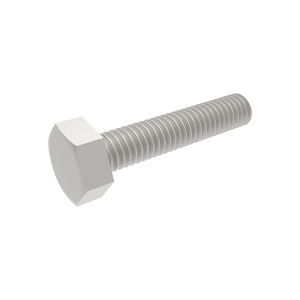
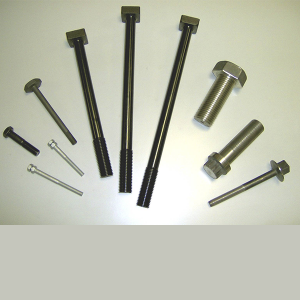
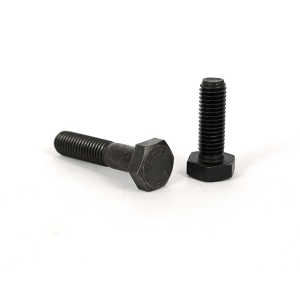
Hot Bolts are high-performance bolting solutions designed for hot bolting operations on live piping and pressurized equipment. Manufactured from high-strength materials, they enable controlled bolt removal, replacement, or re-tightening while minimizing shutdown time in critical industrial systems.
Overview
Hot bolting refers to the controlled removal, replacement, or re-tightening of bolts on live piping systems and pressurized equipment while the system remains in operation. Hot bolts are specifically designed to withstand high temperatures, internal pressure, and mechanical stress during these critical maintenance procedures.
What is Hot Bolting?
Hot bolting is the practice of working on bolted flange connections without shutting down the plant. While it is widely used in industry, it is potentially hazardous and must be carried out with extreme caution, strict procedures, and trained personnel.
Typical Reasons for Hot Bolting
- Replacement of corroded or damaged bolts
- Upgrading bolt material specifications or grades
- Reducing downtime during plant shutdowns
- Maintaining joint integrity in critical operations
Design & Characteristics
- Manufactured from high-strength alloy or heat-resistant steel
- Designed to maintain integrity under high temperature and pressure
- Precision threading for controlled tightening and removal
- Compatible with standard flanged joint systems
Safety Considerations
- Hot bolting is potentially hazardous and not considered best practice unless necessary
- Risk assessment must be conducted prior to operation
- Strict procedures and sequencing must be followed
- Only trained and authorized personnel should perform hot bolting
Standards & Guidelines
The Engineering Equipment and Materials Users Association (EEMUA) publishes guidance titled "Procedures for the Removal and Replacement of Flanged Joint Bolting on Live Piping and Equipment". This document is considered essential reading before performing any hot bolting operation.
Applications
- Oil and gas facilities
- Petrochemical and chemical plants
- Refineries
- Power generation plants
- High-pressure piping systems
Key Advantages
- Minimizes operational downtime
- Allows maintenance without full system shutdown
- Suitable for high-temperature and high-pressure environments
- Supports controlled and phased bolt replacement
Important Note
Any potential benefits of hot bolting must always be carefully weighed against the safety risks involved. Where possible, cold bolting during shutdown remains the preferred method.
Interested in Hot Bolts?
Send us your specifications, quantities, or technical questions — our team will respond within 24 hours with pricing, lead time, and engineering details.
- ✓ 24h response
- ✓ 600+ product network
- ✓ No obligation