J And L Anchors
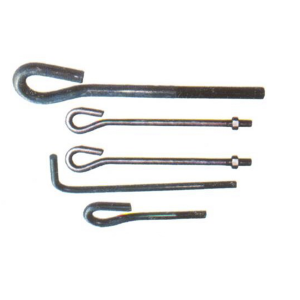
J and L anchors are bent-bar anchor bolts designed to provide secure anchorage in concrete and masonry structures. With their hooked ends embedded into concrete, they offer excellent resistance to pull-out forces and are widely used in structural and foundation applications.
Overview
J and L anchors are bent-bar anchor bolts commonly used for anchoring structural elements to concrete foundations. Their hooked ends provide mechanical interlock within the concrete, ensuring strong resistance against tensile and shear forces.
Design & Construction
- Threaded steel rod with a bent hook at one end
- J Anchors: J-shaped hook for enhanced pull-out resistance
- L Anchors: L-shaped bend for secure anchorage in concrete
- Threaded straight end for nut and washer connection
Types of Anchors
- Bent-Bar Anchors: Includes J-bolts and L-bolts embedded into masonry or concrete
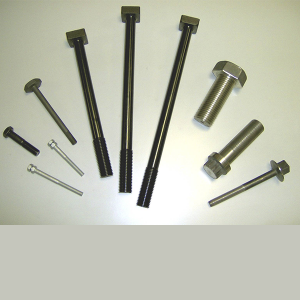
- Headed Anchors: Square head, hex head, or plate anchors welded to the bolt end
Function & Performance
- Provides strong anchorage against pull-out forces
- Transfers tensile and shear loads from structure to concrete
- Hooks engage with concrete or rebar for added stability
Materials
- Carbon Steel
- Alloy Steel
- Stainless Steel (upon request)
Surface Finishes
- Plain / black finish
- Zinc plated
- Hot-dip galvanized
Installation Guidelines
- Anchors are cast into concrete during pouring
- Minimum of two anchor bolts required per bottom plate
- An anchor bolt should be located within 12 inches of each end of the plate
- Maximum spacing between anchor bolts: 6 feet
Applications
- Concrete foundations
- Structural steel anchoring
- Wall-to-foundation connections
- Columns, base plates, and machinery supports
Advantages
- Excellent pull-out resistance due to bent hook design
- Simple and reliable anchoring solution
- High load-bearing capacity
- Suitable for permanent structural connections
Standards & Notes
All specifications are provided for general information purposes. Dimensions, materials, standards, and quality levels may vary according to customer requirements and project specifications.
Interested in J And L Anchors?
Send us your specifications, quantities, or technical questions — our team will respond within 24 hours with pricing, lead time, and engineering details.
- ✓ 24h response
- ✓ 600+ product network
- ✓ No obligation