Stud Nails Welded And Embedded Anchors
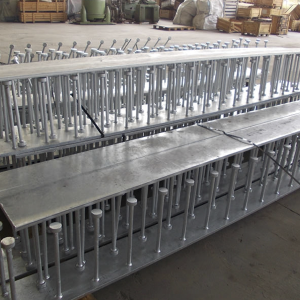
Stud nails, welded and embedded anchors are mechanical fastening elements designed to provide strong, permanent anchorage between steel and concrete structures. They are widely used to transfer shear forces, improve composite action, and ensure structural integrity in construction and industrial applications.
Overview
Stud nails, welded studs, and embedded anchors are fastening elements that are either welded directly onto steel structures or embedded into concrete to create a strong mechanical bond. They are commonly used in composite steel–concrete structures to transfer loads safely and efficiently.
Product Types
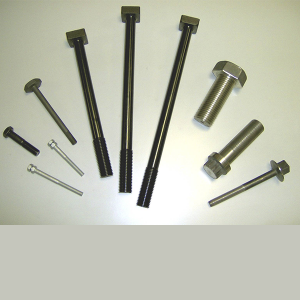
- Stud Nails: Headed or headless studs used for shear transfer
- Welded Studs: Studs welded to steel surfaces using stud welding techniques
- Embedded Anchors: Anchors cast into concrete to provide permanent fixing points
Design & Function
- Designed to transfer shear and tensile forces
- Provide composite action between steel and concrete
- Create permanent, high-strength connections
- Resistant to vibration and dynamic loading
Materials
- Carbon Steel
- Alloy Steel
- Stainless Steel (upon request)
Manufacturing & Installation
- Manufactured according to international welding and fastening standards
- Installed by stud welding or concrete embedding methods
- Suitable for automated and manual installation processes
Surface Finish
- Plain / black finish
- Zinc coated
- Hot-dip galvanized
- Custom coatings upon request
Applications
- Steel–concrete composite floors
- Bridges and infrastructure projects
- Industrial buildings and plants
- Precast and cast-in-place concrete structures
- Anchoring of machinery and equipment
Advantages
- High load-bearing capacity
- Permanent and maintenance-free connection
- Improved structural performance
- Fast and reliable installation
- Suitable for heavy-duty and safety-critical applications
Standards & Notes
All written norms are provided for general information. Standards, sizes, materials, and quality levels may vary depending on customer requirements, project specifications, and applicable international standards.
Interested in Stud Nails Welded And Embedded Anchors?
Send us your specifications, quantities, or technical questions — our team will respond within 24 hours with pricing, lead time, and engineering details.
- ✓ 24h response
- ✓ 600+ product network
- ✓ No obligation