Dimensional Measuring Tools
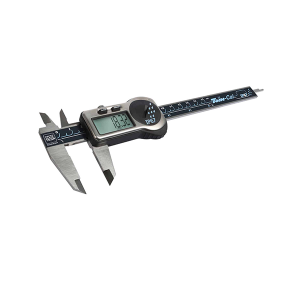
High quality Dimensional Measuring Tools designed for precise measurement of length, width, height, thickness, angles, and geometric features in manufacturing, inspection, and quality control applications.
Overview
Dimensional Measuring Tools are instruments used to measure or evaluate physical dimensions such as length, width, height, thickness, diameter, depth, and angles. These tools are fundamental to manufacturing accuracy, quality assurance, and the interchangeability of parts across global industries.
What Is Dimensional Measurement?
Dimensional measurement is the science of determining the size, shape, and geometric characteristics of objects. It includes linear measurements as well as geometric properties such as flatness, straightness, parallelism, perpendicularity, roundness, and angularity.
Industrial Importance
Accurate dimensional measurement ensures that components fit together correctly, function as designed, and meet international standards. Without reliable dimensional control, mass production, global trade, and precision engineering would not be possible.
Typical Measurement Parameters
- Length, width, and height
- Thickness and depth
- Inner and outer diameters
- Angles and bevels
- Geometric tolerances and form accuracy
Common Dimensional Measuring Tools
- Calipers: Used for measuring internal, external, and depth dimensions with high accuracy
- Micrometers: Provide very fine measurements for thickness, diameter, and precision components
- Combination Squares: Used for layout, depth measurement, and checking squareness
- Precision Try Squares: Verify right angles and perpendicularity
- Tape Measures: Used for general length measurement in woodworking and construction
- Angle Finders: Measure angles between surfaces or components
- Digital Bevel Squares: Provide accurate digital angle measurements for setup and inspection
Applications
- Machining and metalworking
- Woodworking and carpentry
- CNC setup and verification
- Quality control and inspection departments
- Tool rooms and maintenance workshops
Benefits
- Accurate verification of part dimensions
- Improved product quality and consistency
- Reduced scrap, rework, and assembly issues
- Compliance with international standards and tolerances
- Reliable interchangeability of components
Role in Quality Systems
Dimensional measuring tools are a core element of quality management systems such as ISO 9001. Regular calibration and correct usage ensure traceable, repeatable, and defensible measurement results throughout the production lifecycle.
Interested in Dimensional Measuring Tools?
Send us your specifications, quantities, or technical questions — our team will respond within 24 hours with pricing, lead time, and engineering details.
- ✓ 24h response
- ✓ 600+ product network
- ✓ No obligation