Motion & Speed Measuring Instruments
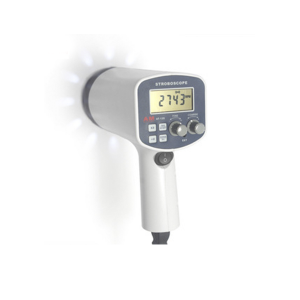
High quality Motion & Speed Measuring Instruments designed for accurate measurement of rotational speed, linear motion, velocity, and acceleration across industrial, marine, automotive, and inspection applications.
Overview
Motion and Speed Measuring Instruments are used to measure the movement, rotational speed, linear velocity, and acceleration of mechanical systems and moving objects. These instruments are essential for monitoring performance, ensuring safety, and maintaining accuracy in industrial, automotive, marine, and inspection environments.
Rotational Speed Measurement
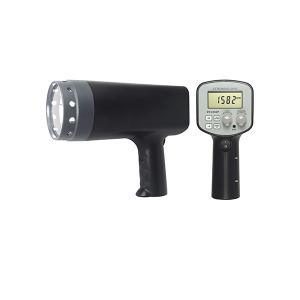
A tachometer is one of the most widely used motion measuring instruments. It is designed to measure the rotational speed of a shaft, motor, or rotating disk, typically expressed in revolutions per minute (RPM). Tachometers may operate using mechanical contact, optical sensing, magnetic pickup, or electronic signal processing.
Rate & Totalization Functions
In addition to RPM measurement, many tachometers also function as rate meters or totalizers, allowing users to track cumulative rotations, operating hours, or production cycles. This data is critical for maintenance planning and performance analysis.
Marine Speed Measurement
Pitometer logs, also known as pit logs, are specialized instruments used to measure a vessel’s speed relative to the surrounding water. These devices are used on both surface ships and submarines, with measured data typically integrated directly into the vessel’s navigation and control systems.
Velocity & Acceleration Measurement
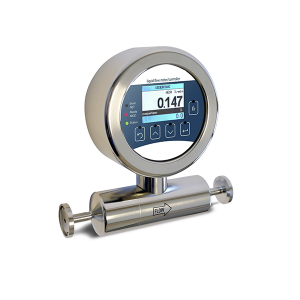
Motion and speed measurement extends beyond rotation to include linear velocity and acceleration. Instruments designed for these applications are used to measure traveling speed, wind speed, machine feed rates, and acceleration in dynamic systems.
Speed Detection Technologies
Different technologies are employed depending on the application. These include mechanical sensing, optical detection, magnetic pickup, ultrasonic measurement, and radar-based systems. For example, law enforcement agencies commonly use RADAR and LIDAR instruments to measure vehicle speed with high accuracy.
Applications
- Industrial machinery and motor monitoring
- Automotive testing and diagnostics
- Marine navigation and vessel speed control
- HVAC and ventilation systems
- Wind speed and environmental monitoring
- Traffic speed enforcement and safety systems
Advantages
- Accurate and reliable speed and motion measurement
- Wide range of sensing technologies
- Suitable for both rotational and linear motion
- Supports monitoring, diagnostics, and safety
- Compatible with digital displays and control systems
Importance in Measuring & Inspection
Motion and speed data are fundamental parameters in engineering and inspection processes. Accurate measurement helps optimize system performance, detect faults early, improve safety, and ensure compliance with operational standards.
Interested in Motion & Speed Measuring Instruments?
Send us your specifications, quantities, or technical questions — our team will respond within 24 hours with pricing, lead time, and engineering details.
- ✓ 24h response
- ✓ 600+ product network
- ✓ No obligation