Temperature Measuring Instrument
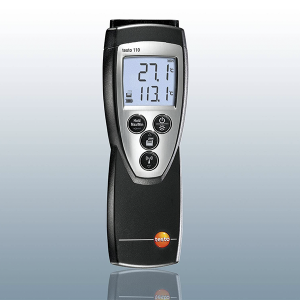
High quality Temperature Measuring Instruments designed for accurate monitoring, control, and analysis of temperature in industrial, medical, laboratory, HVAC, and process control applications.
Overview
Temperature measuring instruments are devices used to determine and monitor the temperature of gases, liquids, solids, or surfaces. Accurate temperature measurement is critical in industrial processes, scientific research, medical diagnostics, HVAC systems, food processing, and safety-critical applications.
Basic Measurement Principle
Temperature measurement is based on the change in a physical property of a material with temperature variation. Depending on the instrument type, this may include expansion of liquids, changes in electrical resistance, generation of thermoelectric voltage, or infrared radiation emission.
Common Types of Temperature Measuring Instruments
- Liquid-in-Glass Thermometers: Use mercury or alcohol expansion in a sealed glass tube.
- Thermocouples: Generate a voltage based on temperature differences between two dissimilar metals.
- Resistance Temperature Detectors (RTD): Measure temperature via predictable resistance changes, typically using Pt100 or Pt1000 elements.
- Thermistors: Highly sensitive resistive sensors used for precise temperature measurement over limited ranges.
- Infrared Thermometers: Measure surface temperature without contact by detecting emitted infrared radiation.
- Bimetal Thermometers: Operate using differential thermal expansion of two bonded metals.
Contact vs Non-Contact Measurement
Contact temperature sensors require physical contact with the measured object, providing high accuracy for process monitoring. Non-contact instruments, such as infrared thermometers, allow safe and rapid measurement of moving, hot, or hazardous surfaces.
Industrial Applications
- Process control in manufacturing and chemical plants
- HVAC system monitoring and regulation
- Power generation and energy systems
- Metal processing and heat treatment
- Food and beverage production
Medical and Laboratory Applications
In medicine, temperature measurement plays a vital role in diagnosing diseases and monitoring patient health. Variations in body temperature often indicate infection, inflammation, or metabolic disorders. In laboratories, precise temperature control ensures accuracy in experiments, testing, and calibration procedures.
Accuracy and Calibration
Temperature measuring instruments must be calibrated against known reference standards to ensure accuracy and repeatability. Factors such as sensor drift, ambient conditions, response time, and installation method can affect measurement reliability.
Advantages
- Wide measurement range for diverse applications
- High accuracy and repeatability
- Availability of both contact and non-contact solutions
- Compatibility with digital control and monitoring systems
Limitations
- Measurement accuracy depends on proper sensor selection
- Environmental factors can influence readings
- Some sensors have limited temperature ranges
Integration with Control Systems
Modern temperature measuring instruments are commonly integrated with PLCs, SCADA systems, data loggers, and digital displays. Output signals may include analog (4–20 mA, 0–10 V), digital, or wireless communication protocols.
Industrial Importance
Accurate temperature measurement is essential for safety, efficiency, product quality, and regulatory compliance. Temperature measuring instruments form the backbone of monitoring and control systems across virtually every industrial and scientific discipline.
Interested in Temperature Measuring Instrument?
Send us your specifications, quantities, or technical questions — our team will respond within 24 hours with pricing, lead time, and engineering details.
- ✓ 24h response
- ✓ 600+ product network
- ✓ No obligation