ASTM A333 Gr.8 Ultra-Low Temperature Steel Pipe
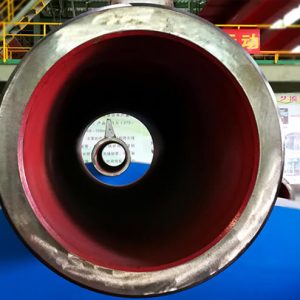
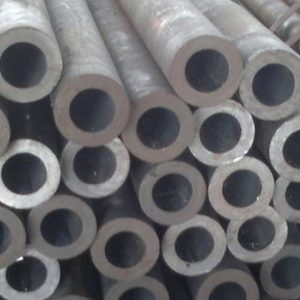
ASTM A333 Grade 8 (9% Nickel) ultra-low temperature steel pipe engineered for cryogenic service such as LNG storage and transportation, delivering high strength, toughness, weldability, and reliable performance at extremely low temperatures.
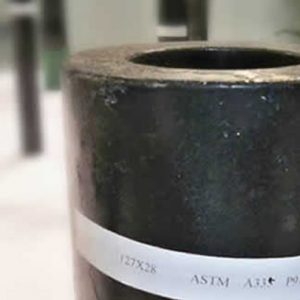
Standard & Grade
- Standard: ASTM A333
- Grade: Gr.8
- Material type: Ultra-low temperature (cryogenic) steel pipe
- Common name: 9% Nickel steel pipe
- Comparable material: AISI 4032 low alloy steel
- Manufacturing process: Seamless or welded (without filler metal)
Applications
- Liquefied Natural Gas (LNG) storage systems
- LNG transportation pipelines
- Cryogenic piping systems
- Ultra-low temperature industrial service
Engineering Characteristics
- Designed for ultra-low temperature service
- Excellent strength and toughness at cryogenic temperatures
- High resistance to thermal stress and strain
- Good weldability and corrosion resistance
- Heat treated to meet cryogenic mechanical requirements
Packing
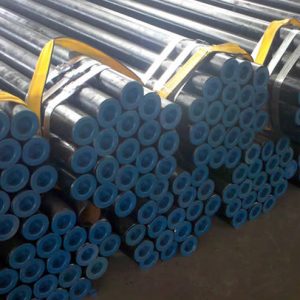
- Bare packing, bundle packing, or crate packing
- Wooden protection at both ends of pipes
- Sea-worthy export packing as requested
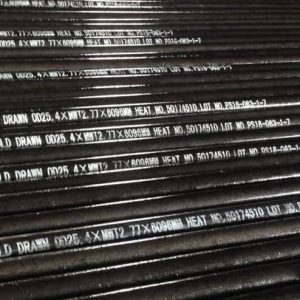
- Each crate marked with order number, heat number, size, weight, and bundle details
Inspection & Testing
- Chemical composition inspection
- Mechanical tests: tensile strength, yield strength, elongation, hardness
- Impact test for cryogenic performance
- Flaring, flattening, and bending tests
- Surface and dimensional inspection
- Non-destructive testing (NDT)
- Hydrostatic test
Surface Treatment
- Oil dip
- Varnish
- Passivation
- Phosphating
- Shot blasting
Chemical Composition (%)
- Carbon (max): 0.13
- Manganese (max): 0.90
- Phosphorus (max): 0.025
- Sulfur (max): 0.025
- Silicon: 0.13 – 0.32
- Nickel: 8.40 – 9.60
Mechanical Properties
- Tensile strength (min): 690 MPa (100,000 psi)
- Yield strength (min): 515 MPa (75,000 psi)
Elongation Requirements (Minimum %)
- 8.0 mm: 22%
- 7.2 mm: 21%
- 6.4 mm: 20%
- 5.6 mm: 18%
- 4.8 mm: 17%
- 4.0 mm: 16%
- 3.2 mm: 15%
- 2.4 mm: 13%
- 1.6 mm: 12%
Mechanical Test Sampling
- Batch heat treatment: testing on 5% of each lot (minimum one pipe)
- Continuous heat treatment: minimum two pipes or 5% of the lot
- Impact test: one set of three specimens from each heat-treatment load
We manufacture custom
Interested in ASTM A333 Gr.8 Ultra-Low Temperature Steel Pipe?
Send us your specifications, quantities, or technical questions — our team will respond within 24 hours with pricing, lead time, and engineering details.
- ✓ 24h response
- ✓ 600+ product network
- ✓ No obligation