Api Drill Pipe
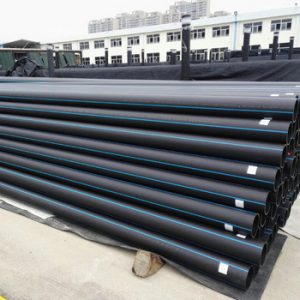
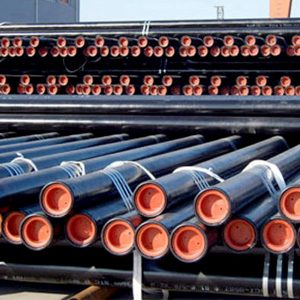
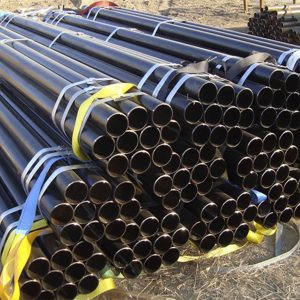
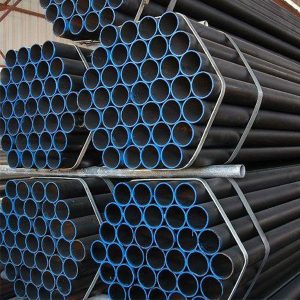
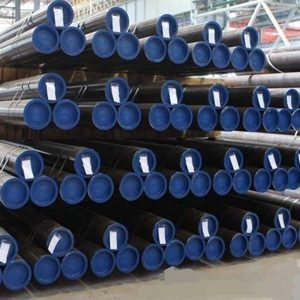
API drill pipe designed for rotary drilling operations, supplied in standard sizes and grades with defined mechanical properties for oil and natural gas well drilling applications.
Overview
API drill pipe is used in most rotary drilling operations, including shallow and deep well drilling for oil and natural gas recovery. Drill pipes are manufactured by API-certified producers worldwide and are designed to meet strict dimensional and mechanical property requirements defined by API standards.
Pipe Design & Classification
API drill pipe size is defined by the outside diameter of the pipe body and its nominal weight per unit length. The nominal weight determines the wall thickness and inside diameter of the pipe body. When tool joints (box and pin) are attached, the average actual weight per unit length increases compared to the nominal pipe body weight.
Dimensions & Lengths
Drill pipe dimensions include outside diameter, inside diameter, and weight per unit length of the pipe body. Lengths of pipe bodies and tool joints are specified by API range designations, which define standard drill pipe element lengths used in drilling operations.
Material Grades
API drill pipe is classified by API material (steel) grades. The steel used for manufacturing must comply with API requirements for minimum yield strength, maximum yield strength, and minimum tensile strength. The base material corresponds to approved AISI steel grade classifications.
Mechanical Properties by API Grade
| API Grade | Minimum Yield Strength (psi) | Maximum Yield Strength (psi) | Minimum Tensile Strength (psi) |
|---|---|---|---|
| E75 | 75,000 | 105,000 | 100,000 |
| X95 | 95,000 | 125,000 | 105,000 |
| G105 | 105,000 | 135,000 | 115,000 |
| S135 | 135,000 | 165,000 | 145,000 |
Typical Applications
API drill pipes are primarily used in rotary drilling systems for oil and natural gas exploration and production, where high torsional strength, fatigue resistance, and reliable mechanical performance are critical.
Interested in Api Drill Pipe?
Send us your specifications, quantities, or technical questions — our team will respond within 24 hours with pricing, lead time, and engineering details.
- ✓ 24h response
- ✓ 600+ product network
- ✓ No obligation