Astm A213 Alloy Tubes
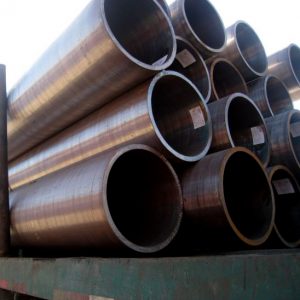
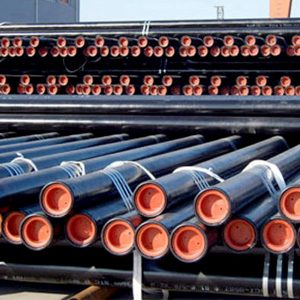
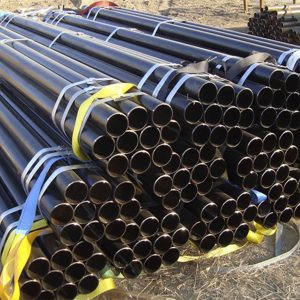
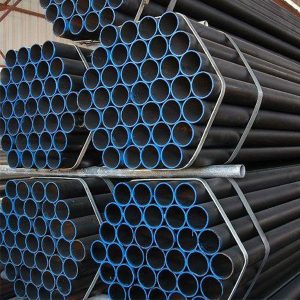
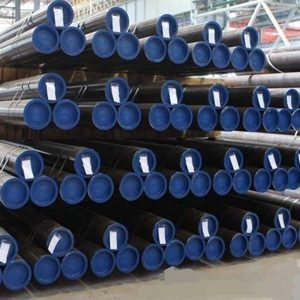
ASTM A213 alloy steel tubes manufactured for boiler, superheater, and heat exchanger applications, offering high-temperature strength, creep resistance, and controlled chemical composition.
Overview
ASTM A213 is a standard specification covering seamless ferritic and austenitic alloy steel tubes intended for boiler, superheater, and heat exchanger service. These tubes are designed to perform under high temperature and pressure conditions and are widely used in power generation and industrial thermal systems.
Standard Scope
The ASTM A213 specification applies to seamless alloy steel tubes in various grades, including ferritic and austenitic steels. Grades containing the letter H have enhanced requirements that provide higher creep-rupture strength compared to similar grades without the H designation.
Manufacturing & Heat Treatment
- Seamless manufacturing process
- Hot finished or cold finished, as specified
- Ferritic alloy steels are reheated after hot forming
- Austenitic stainless steel tubes are supplied in heat-treated condition
- Optional solution treatment followed by rapid quenching
Testing & Inspection
- Tension test
- Hardness test
- Flattening test
- Flaring test
- Nondestructive electric test or hydrostatic test
Typical Size Range
| Inside Diameter | 1/8 in. (3.2 mm) to 5 in. (127 mm) |
| Wall Thickness | 0.015 – 0.500 in. (0.4 – 12.7 mm) |
ASTM A213 T11 – Chemical Composition (%)
| C | Mn | P | S | Si | Cr | Mo |
|---|---|---|---|---|---|---|
| 0.05 – 0.15 | 0.30 – 0.60 | 0.025 | 0.025 | 0.50 – 1.00 | 1.00 – 1.50 | 0.44 – 0.65 |
Mechanical Properties – ASTM A213 T11
| Tensile Strength | 415 MPa |
| Minimum Yield Strength | 220 MPa |
| Elongation | 30% |
| Delivery Condition | Annealed |
Related ASTM Specifications
- ASTM A209 – Seamless carbon-molybdenum alloy steel boiler tubes
- ASTM A210 – Seamless medium-carbon steel boiler and superheater tubes
- ASTM A213 – Seamless ferritic and austenitic alloy steel tubes
Typical Applications
ASTM A213 alloy tubes are commonly used in boilers, superheaters, heat exchangers, power plants, petrochemical facilities, and other high-temperature pressure systems where long-term strength and thermal stability are critical.
Interested in Astm A213 Alloy Tubes?
Send us your specifications, quantities, or technical questions — our team will respond within 24 hours with pricing, lead time, and engineering details.
- ✓ 24h response
- ✓ 600+ product network
- ✓ No obligation