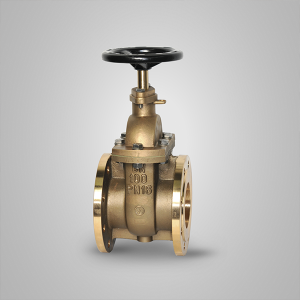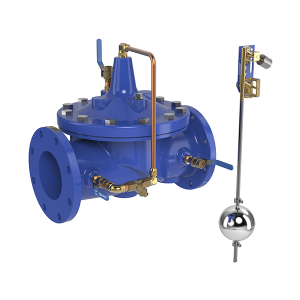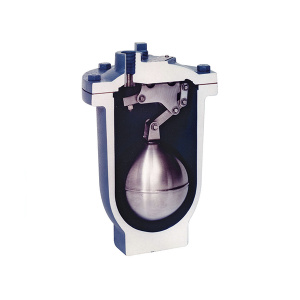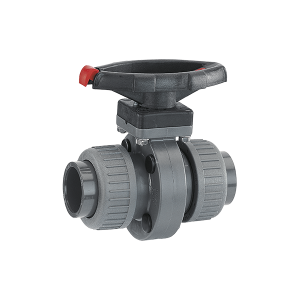
Foot Valve
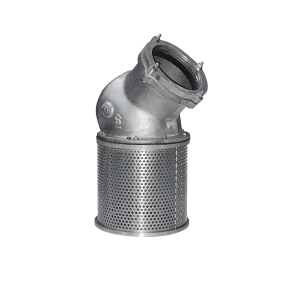
Foot valves are suction-end check valves with an integrated strainer, designed to maintain pump prime by preventing backflow when the pump stops. They protect pumps from debris and ensure reliable operation in suction lift applications.
Overview
A foot valve is installed at the inlet of a suction pipe, typically at the bottom of a tank, well, or reservoir. It functions as a check valve combined with a strainer, allowing fluid to flow into the pump while preventing reverse flow when the pump is shut off.
Operating Principle
When the pump starts, the pressure difference opens the spring-assisted check mechanism, allowing fluid to flow upward into the pump column. When the pump stops, the valve closes automatically, preventing the liquid from draining back and ensuring the pump remains primed.
Key Functions
- Maintains pump prime by preventing backflow
- Protects pump internals from damage
- Filters debris before it enters the pump
Design Characteristics
- Integrated strainer at the suction end
- Spring-assisted or gravity-operated check mechanism
- Vertical installation at the end of suction pipelines
- Available with various mesh sizes for debris control
Strainer Importance
The strainer prevents debris, solids, and foreign particles from entering the pump. It also avoids debris lodging in the valve mechanism, which could otherwise keep the valve open and cause loss of prime.
Materials
- Cast Iron
- Bronze
- Stainless Steel
- Plastic or composite materials (for light-duty applications)
Applications
- Vertical turbine pumps
- Centrifugal pumps in suction lift systems
- Water supply and irrigation systems
- Industrial pumping installations
Advantages
- Prevents loss of prime and dry running
- Extends pump service life
- Simple and reliable operation
- Reduces maintenance caused by debris ingress
Installation Notes
- Must always remain submerged
- Strainer mesh size should match fluid cleanliness
- Regular inspection recommended in debris-prone environments
Interested in Foot Valve?
Send us your specifications, quantities, or technical questions — our team will respond within 24 hours with pricing, lead time, and engineering details.
- ✓ 24h response
- ✓ 600+ product network
- ✓ No obligation