Fire Hydrants
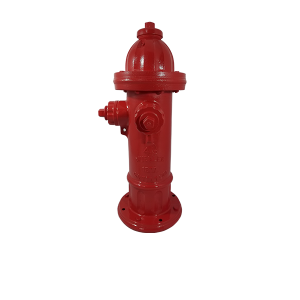
Fire Hydrants are essential components of fire protection systems, providing reliable and immediate access to water with sufficient pressure and flow for effective firefighting operations.
Overview
Fire hydrants are a critical part of fire protection infrastructure, designed to supply large volumes of water quickly and reliably during firefighting operations. They form the primary water access point for firefighters in municipal, industrial, and commercial fire protection systems.
Fire Hydrant Pump Systems
Fire hydrant pump systems, also known as fire pumps, hydrant boosters, or firewater pumps, are high-pressure water pumps used to increase firefighting capacity when the available mains water pressure is insufficient or when the system is supplied from a storage tank.
These systems ensure that adequate pressure and flow are delivered to hydrants during emergency situations, significantly improving firefighting effectiveness.
System Function & Purpose
A fire hydrant system provides a continuous water supply distributed through a network of pipes installed throughout or around a building or facility. Strategically located hydrant outlets allow firefighters to quickly connect hoses or pumps and begin firefighting operations without delay.
Hydrant Design & Placement
Fire hydrants are visible fixtures installed inside or outside buildings, parking areas, industrial facilities, mines, roadsides, and other high-risk locations. They are connected either to a municipal water supply or to a private fire water network.
The design ensures immediate availability of water, enabling firefighters to respond rapidly and effectively to fire emergencies.
Operational Role
In many municipal and industrial areas, fire hydrants represent the primary method of firefighting. Hydrants act as controlled outlets equipped with valves that supply water directly to fire hoses, fire engines, or fire pumps engaged in extinguishing fires.
Fire Safety & Regulations
Fire safety regulations typically require hydrants to be installed at defined intervals and maintained in fully operational condition. Clear and unobstructed access to fire hydrants in buildings, factories, urban areas, and developed zones is essential to ensure rapid response during emergencies.
Typical Applications
- Municipal firefighting networks
- Industrial plants and factories
- Commercial buildings and complexes
- Parking areas and logistics facilities
- Mines, infrastructure, and roadside installations
Key Benefits
- Immediate access to high-volume water supply
- Reliable pressure and flow for firefighting
- Compatibility with fire pumps and fire engines
- Essential support for emergency response teams
- Compliance with fire safety standards and regulations

.DNKzwhd3.png)