Protective Clothing
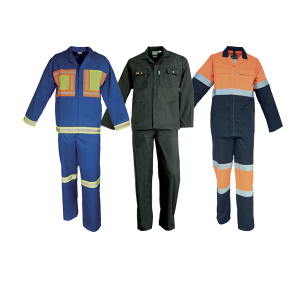
High quality Protective Clothing designed to protect workers from physical, chemical, thermal, electrical, and biological hazards, ensuring safety, comfort, and regulatory compliance in demanding work environments.
Overview
Protective Clothing refers to specialized garments designed to protect the human body from workplace hazards that may cause injury, illness, or contamination. It is a critical component of Personal Protective Equipment (PPE) systems used across industrial, construction, medical, and hazardous environments.
Purpose & Function
The primary purpose of protective clothing is to create a physical barrier between the wearer and potential hazards. These hazards may include mechanical risks, extreme temperatures, chemicals, electrical exposure, biological agents, and airborne particulate matter.
Types of Protective Clothing
- Industrial Workwear: Coveralls, jackets, trousers, and high-visibility clothing
- Chemical Protective Clothing: Chemical-resistant suits, aprons, and coats
- Heat & Flame Resistant Clothing: Fire-retardant and thermal protective garments
- Electrical Protective Clothing: Arc-flash and anti-static garments
- Biological & Medical Clothing: Disposable gowns, lab coats, and protective suits
- Weather & Environmental Protection: Waterproof, cold-weather, and wind-resistant clothing
Chemical Protective Clothing
Chemical protective clothing is specifically designed to reduce exposure to hazardous chemicals. Safety data sheets (SDS) often specify the use of impermeable or chemical-resistant clothing. While no material is permanently impervious to all chemicals, appropriate material selection and exposure time control significantly reduce risk.
Key Features
- Protection against multiple workplace hazards
- Durable materials suitable for harsh environments
- Designed for comfort and mobility during extended use
- Available in reusable and disposable options
Applications
- Industrial and manufacturing facilities
- Oil, gas, and petrochemical industries
- Construction and infrastructure projects
- Healthcare and laboratory environments
- Mining, utilities, and energy sectors
Standards & Compliance
Protective clothing is manufactured and selected according to international safety standards such as OSHA, EN, ISO, and other applicable regulations. Proper selection, use, and maintenance are essential to ensure effective protection and compliance.
Conclusion
Protective Clothing plays a vital role in safeguarding workers from occupational hazards. When correctly selected and used as part of a comprehensive PPE program, it helps reduce injuries, improve safety performance, and support a safe working environment.
Interested in Protective Clothing?
Send us your specifications, quantities, or technical questions — our team will respond within 24 hours with pricing, lead time, and engineering details.
- ✓ 24h response
- ✓ 600+ product network
- ✓ No obligation