Hearing Protection
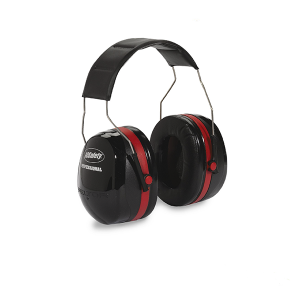
High quality Hearing Protection solutions designed to reduce noise exposure and prevent noise-induced hearing loss in industrial, construction, and high-noise work environments.
Overview
Hearing Protection is a critical category of personal protective equipment (PPE) designed to protect the ears from excessive noise, environmental hazards, and harmful sound exposure. Prolonged or repeated exposure to high noise levels can lead to irreversible noise-induced hearing loss (NIHL), making proper hearing protection essential in many workplaces.
Why Hearing Protection Is Necessary
High noise levels damage the sensitive nerves and structures inside the inner ear. Once damaged, hearing loss is permanent and cannot be restored. Hearing protection devices reduce sound energy reaching the ear, helping to preserve hearing health while allowing workers to perform their tasks safely.
Common Noise Hazards
Hazardous noise is commonly generated by machinery, power tools, heavy equipment, engines, compressors, cutting operations, and industrial processes. Continuous noise above safe exposure limits or short-term exposure to very loud sounds can both cause serious hearing damage.
Types of Hearing Protection
- Earplugs: Fit snugly into the ear canal to seal out noise. Available in disposable, reusable, and custom-molded options.
- Earmuffs: Cover the entire outer ear and are held in place with a headband, providing consistent and reliable noise reduction.
- Electronic & Tactical Hearing Devices: Designed to reduce harmful noise levels while allowing speech and warning sounds to be heard.
Noise Reduction Performance
Hearing protection devices are rated by their Noise Reduction Rating (NRR), which indicates the level of sound attenuation they provide. Selecting the appropriate NRR depends on the noise level and duration of exposure in the work environment.
Comfort & Fit
Proper fit and comfort are essential for effective hearing protection. Devices that are uncomfortable or poorly fitted may not be worn consistently, reducing their protective value. A correct fit ensures both comfort and optimal noise reduction.
Regulatory & Safety Compliance
Occupational safety regulations require employers to assess noise exposure and provide suitable hearing protection when exposure exceeds permissible limits. Hearing protection must comply with relevant safety standards and be included in workplace hearing conservation programs.
Training & Proper Use
Effective hearing protection depends on correct usage. Workers should be trained on how to properly insert earplugs, adjust earmuffs, maintain cleanliness, and recognize when hearing protection needs replacement.
Applications
- Construction and infrastructure projects
- Manufacturing and industrial facilities
- Mining and heavy equipment operations
- Oil, gas, and petrochemical industries
- Workshops and mechanical maintenance areas
Benefits
- Prevents permanent noise-induced hearing loss
- Reduces fatigue and stress caused by excessive noise
- Improves workplace safety and communication
- Supports compliance with occupational safety regulations
- Promotes long-term worker health and productivity
Conclusion
Hearing Protection is an essential element of workplace safety in high-noise environments. By selecting appropriate hearing protection devices and ensuring proper use, organizations can effectively protect workers’ hearing, reduce occupational health risks, and maintain a safe and compliant work environment.
Interested in Hearing Protection?
Send us your specifications, quantities, or technical questions — our team will respond within 24 hours with pricing, lead time, and engineering details.
- ✓ 24h response
- ✓ 600+ product network
- ✓ No obligation