Personal Protective Equipment (PPE)
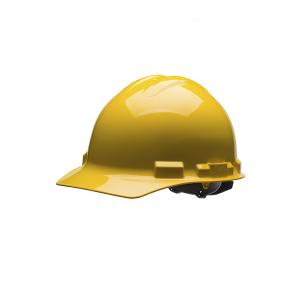
High quality Personal Protective Equipment designed to protect workers against health and safety risks, ensuring compliance with occupational safety standards across industrial, commercial, and construction environments.
Overview
Personal Protective Equipment (PPE) refers to protective clothing, equipment, and devices worn by individuals to minimize exposure to workplace hazards that may cause injury or illness. PPE forms a critical part of occupational health and safety systems across industrial, construction, medical, and commercial sectors.
Purpose & Importance
PPE is used when workplace hazards cannot be fully eliminated through engineering or administrative controls. Its primary purpose is to reduce the severity of injuries, prevent occupational illnesses, and protect workers from physical, chemical, biological, and environmental risks.
Main Categories of PPE
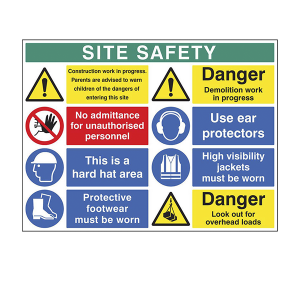
- Head Protection: Safety helmets and hard hats
- Eye & Face Protection: Safety glasses, goggles, face shields
- Hand Protection: Gloves, gauntlets, chemical-resistant gloves
- Body Protection: High-visibility clothing, coveralls, protective suits
- Foot Protection: Safety footwear, steel-toe boots
- Respiratory Protection (RPE): Masks, respirators, air-purifying systems
- Fall Protection: Safety harnesses, lanyards, lifelines
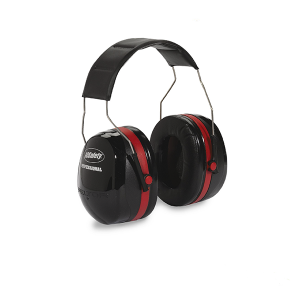
- Hearing Protection: Earplugs, earmuffs
Key Features
- Designed to reduce exposure to workplace hazards
- Improves worker safety and confidence
- Supports compliance with occupational safety regulations
- Available in various sizes, materials, and protection levels
Applications
- Industrial and manufacturing facilities
- Construction and infrastructure projects
- Oil, gas, and energy sectors
- Healthcare and laboratory environments
- Warehouses and logistics centers
Regulatory Compliance
Personal Protective Equipment is governed by occupational health and safety regulations such as OSHA, EN standards, and other international safety directives. Proper selection, training, and maintenance of PPE are essential to ensure effective protection.
Conclusion
Personal Protective Equipment is a fundamental component of workplace safety programs. When correctly selected and used, PPE significantly reduces the risk of injury and illness, helping organizations maintain a safe, compliant, and productive working environment.
Interested in Personal Protective Equipment (PPE)?
Send us your specifications, quantities, or technical questions — our team will respond within 24 hours with pricing, lead time, and engineering details.
- ✓ 24h response
- ✓ 600+ product network
- ✓ No obligation