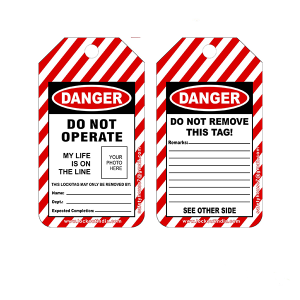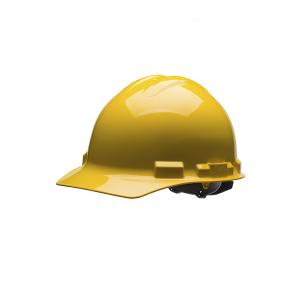
Safety & Facility Signs
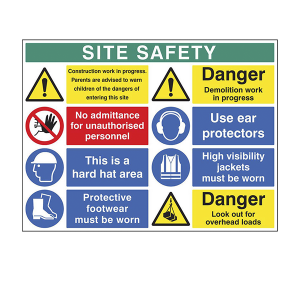
High quality Safety & Facility Signs designed to communicate health, safety, and operational information clearly and effectively in workplaces, industrial facilities, and public environments.
Overview
Safety & Facility Signs are visual communication tools used to provide information, instructions, warnings, and guidance related to health, safety, and facility operations. They play a critical role in preventing accidents, ensuring compliance, and improving navigation within workplaces and public facilities.
Definition
A safety and/or health sign is defined as any signboard, color marking, illuminated sign, acoustic signal, verbal communication, or hand signal that conveys information or instructions related to health and safety at work.
Purpose & Importance
These signs are essential for alerting personnel and visitors to potential hazards, mandatory actions, prohibited activities, emergency exits, and facility rules. Properly designed and positioned signs reduce risk, support emergency response, and enhance overall workplace safety culture.
Types of Safety & Facility Signs
- Warning Signs: Indicate potential hazards or dangerous conditions
- Mandatory Signs: Specify required actions, such as wearing PPE
- Prohibition Signs: Identify forbidden actions or restricted access
- Emergency & Exit Signs: Guide occupants to safe evacuation routes
- Fire Safety Signs: Identify firefighting equipment and fire exits
- Facility & Directional Signs: Provide guidance to restrooms, exits, offices, and common areas
Facility Navigation & Information
Facility signs help make buildings easier to navigate by clearly identifying locations such as restrooms, emergency exits, trash and recycling areas, restricted zones, and visitor pathways. They also communicate workplace policies, including smoking areas, food consumption rules, private areas, and security requirements.
Design & Visibility
Effective safety signage uses standardized colors, symbols, and pictograms to ensure quick recognition. High-contrast colors, reflective surfaces, and illuminated or photoluminescent options enhance visibility in low-light or emergency conditions.
Applications
- Industrial plants and manufacturing facilities
- Construction sites
- Commercial buildings and offices
- Warehouses and logistics centers
- Hospitals, schools, and public facilities
Standards & Compliance
Safety and facility signs are designed in accordance with international regulations and standards such as OSHA, ISO, EN, and local occupational health and safety requirements. Proper placement and maintenance are essential to ensure ongoing compliance and effectiveness.
Conclusion
Safety & Facility Signs are a fundamental component of any safety management system. When correctly selected, installed, and maintained, they provide clear communication, reduce workplace risks, support emergency preparedness, and promote a safe and organized environment.
Interested in Safety & Facility Signs?
Send us your specifications, quantities, or technical questions — our team will respond within 24 hours with pricing, lead time, and engineering details.
- ✓ 24h response
- ✓ 600+ product network
- ✓ No obligation