Level Control Valve
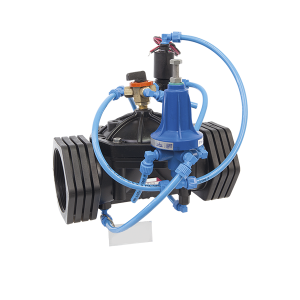
Level Control Valves designed to automatically regulate liquid levels in tanks and reservoirs by controlling inlet flow, ensuring stable operation and reliable process control.
Overview
A Level Control Valve, also known as an altitude control valve, is a type of valve that automatically responds to changes in liquid level within a storage system. Its primary function is to maintain a constant liquid level by regulating the inflow based on system demand.
Operating Principle (As Provided)
Level control valves operate by sensing the height of a liquid in a tank or reservoir and adjusting the valve position accordingly. A common everyday example is the ballcock mechanism used in flush toilets, where filling and emptying cycles are controlled by changes in tank level.
Level Regulation Function (As Provided)
By controlling the inlet flow to a liquid supply, level control valves ensure that the liquid level remains constant even as usage demand fluctuates. This prevents overflow, dry running, and instability in downstream processes.
Control Valve Fundamentals (As Provided)
A control valve regulates fluid flow by varying the size of its flow passage in response to a signal from a controller. This allows direct control of flow rate and indirect control of related process variables such as pressure, temperature, and liquid level.
Valve Actuation & Control (As Provided)
The valve actuator is responsible for opening and closing the valve. While some valves are manually operated, most level control valves use automatic actuators driven by control signals. These actuators respond to controller outputs and adjust the valve position without manual intervention.
Instrumentation & Signal Conversion (As Provided)
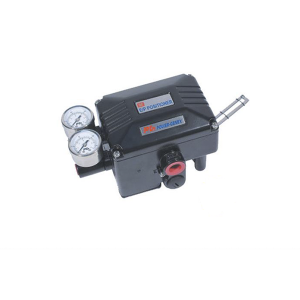
In automated systems, controller outputs must be converted into signals capable of driving the control valve. Current-to-pressure (I/P) transducers, valve positioners, and control valves work together to translate electrical control signals into precise mechanical valve movement.
Final Control Element Role (As Provided)
The level control valve acts as the final control element in a control loop. By responding to the controller’s signal, it directly influences the process variable—liquid level—ensuring stable and predictable system behavior.
Applications (As Provided)
- Water reservoirs and storage tanks
- Industrial liquid storage systems
- Process tanks in chemical and manufacturing plants
- Municipal water distribution systems
Operational Benefits (As Provided)
- Automatic and continuous level regulation
- Prevention of overflow and dry-run conditions
- Improved process stability and safety
- Reduced need for manual intervention
- Reliable integration with automation and control systems
Interested in Level Control Valve?
Send us your specifications, quantities, or technical questions — our team will respond within 24 hours with pricing, lead time, and engineering details.
- ✓ 24h response
- ✓ 600+ product network
- ✓ No obligation