Pneumatic Actuators
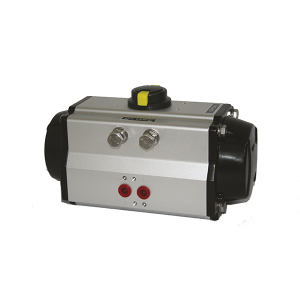
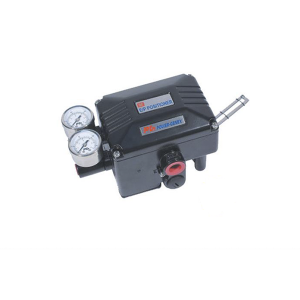
Pneumatic Actuators designed for automation and control applications, converting compressed air into reliable rotary or linear mechanical motion for valves and industrial systems.
Overview
Pneumatic Actuators are devices that convert energy from compressed air into mechanical motion. They are widely used in automation and control systems due to their simplicity, safety, reliability, and cost-effectiveness.
Basic Operating Principle (As Provided)
A pneumatic actuator operates by using pressurized air supplied from an electric compressor or manual pump. The compressed air creates a pressure difference inside a chamber or cylinder, generating force that produces mechanical motion.
Types of Motion (As Provided)
- Linear motion, typically produced by piston-and-cylinder designs
- Rotary motion, commonly used for quarter-turn valves and mechanisms
Pneumatic Linear Actuators (As Provided)
Pneumatic linear actuators consist of a piston inside a hollow cylinder. When pressurized air is applied, the piston moves linearly within the cylinder to perform work. Hydraulic linear actuators operate similarly, but use incompressible liquid instead of air.
Actuators in Automation Systems (As Provided)
An actuator is a motor-like device that converts energy into torque or force to move or control a mechanism. Actuators may operate using electric power or pressure-based systems such as pneumatic or hydraulic energy.
Main Actuator Types (As Provided)
- Hydraulic actuators
- Pneumatic actuators
- Electric actuators
- Mechanical actuators
How Pneumatic Actuators Work (As Provided)
Pneumatic actuators store potential energy in compressed gas. As the gas expands, a pressure imbalance forms between the actuator chamber and atmospheric pressure. The controlled release of this gas directs energy toward a piston, gear, or mechanical element, producing motion that performs useful work.
Applications (As Provided)
- Automated valve control systems
- Industrial air compressors and pumps
- Switches, sensors, and control mechanisms
- Pneumatic tools such as nail guns
- Pneumatic transport systems and industrial automation
- Combustion engine systems (conceptual pneumatic action)
Advantages (As Provided)
- Simple design and easy control
- High safety compared to electrical and hydraulic systems
- Low risk of fire or explosion
- Ability to store energy without continuous electrical supply
- High durability and long operational life
- Cost-effective solution for industrial motion control
Operational Benefits (As Provided)
- Reliable and repeatable performance
- Fast response times
- Minimal maintenance requirements
- Wide compatibility with automation and control systems
- Suitable for harsh industrial environments
Interested in Pneumatic Actuators?
Send us your specifications, quantities, or technical questions — our team will respond within 24 hours with pricing, lead time, and engineering details.
- ✓ 24h response
- ✓ 600+ product network
- ✓ No obligation