Confined Space Equipment
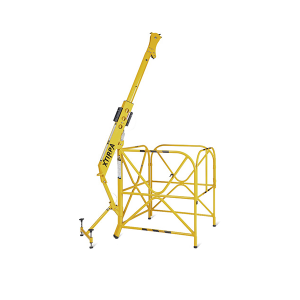
High quality Confined Space Equipment designed to ensure safe entry, operation, and rescue in hazardous enclosed or partially enclosed work environments with limited access and ventilation.
Overview
Confined Space Equipment is specifically designed to protect workers operating in confined or restricted environments where serious health and safety risks exist. These environments often have limited entry and exit points, inadequate ventilation, and may contain hazardous atmospheres.
What is a Confined Space?
According to OSHA, a confined space is defined by three key characteristics:
- Large enough for an employee to enter and perform assigned work
- Has limited or restricted means of entry or exit
- Is not designed for continuous human occupancy
In many cases, confined spaces are enclosed on all sides and present increased risks due to oxygen deficiency, toxic gases, flammable atmospheres, or physical entrapment hazards.
Common Confined Space Hazards
- Oxygen-deficient or oxygen-enriched atmospheres
- Toxic or flammable gas accumulation
- Restricted movement and poor visibility
- Risk of engulfment or entrapment
- Limited emergency evacuation options
Typical Confined Space Equipment
- Tripods and davit arms for vertical entry and rescue
- Winches and self-retracting lifelines (SRL)
- Full body harnesses
- Gas detectors and atmospheric monitors
- Ventilation blowers and air movers
- Rescue kits and emergency retrieval systems
Applications
- Tanks and storage vessels
- Manholes and sewers
- Boilers and pressure vessels
- Pipelines and ducts
- Underground utilities and tunnels
- Industrial silos and pits
Operational Benefits
- Ensures safe entry and exit for personnel
- Reduces risk of serious injury or fatality
- Supports rapid rescue operations
- Compliance with OSHA and international safety standards
- Improves overall workplace safety management
Regulatory Compliance
Confined Space Equipment is essential for compliance with OSHA confined space regulations and similar international safety standards. Proper selection, installation, and training are critical for effective risk control in confined space operations.
Interested in Confined Space Equipment?
Send us your specifications, quantities, or technical questions — our team will respond within 24 hours with pricing, lead time, and engineering details.
- ✓ 24h response
- ✓ 600+ product network
- ✓ No obligation