Fall Protection
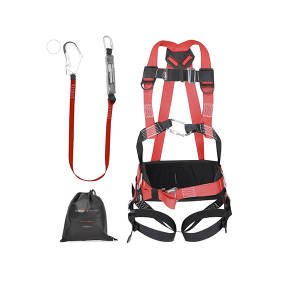
High quality Fall Protection systems designed to prevent falls and minimize injury risks for workers operating at height in industrial, construction, and maintenance environments.
Overview
Fall Protection refers to a set of systems, equipment, and procedures designed to protect workers from fall hazards when working at height. It aims either to prevent a fall from occurring or to safely arrest a fall in order to reduce the risk of serious injury or fatality.
Why Fall Protection Is Critical
Falls from height remain one of the leading causes of serious workplace injuries and fatalities worldwide. Even a fall from a relatively low height can result in severe injury. Effective fall protection is therefore a fundamental requirement for occupational safety in construction, industrial maintenance, energy, and infrastructure projects.
Regulatory Requirements
In many countries, fall protection is mandated by law. In the United States, fall protection requirements are administered by OSHA (Occupational Safety and Health Administration). OSHA requires fall protection systems for workers exposed to vertical drops of 6 feet (1.8 meters) or more in construction environments. Similar regulations apply globally under EN, ISO, and local occupational safety standards.
Types of Fall Protection Systems
- Fall Prevention Systems: Designed to prevent workers from reaching fall hazards (guardrails, safety nets, barriers).
- Fall Arrest Systems: Designed to stop a fall once it has occurred and minimize injury.
- Work Positioning Systems: Allow workers to be supported while working at height with hands-free stability.
- Restraint Systems: Prevent workers from reaching a fall edge by restricting movement.
Personal Fall Arrest System (PFAS)
A Personal Fall Arrest System is one of the most commonly used fall protection solutions. It consists of several key components working together to safely arrest a fall:
- Full Body Harness: Distributes fall forces across the body to reduce injury.
- Lanyard or Vertical Lifeline: Connects the harness to the anchorage point.
- Shock Absorber: Reduces the impact force during fall arrest.
- Anchorage Point: A secure structural point capable of supporting required loads.
Common Fall Hazards
- Roof edges and open sides
- Scaffolding and ladders
- Elevated platforms and walkways
- Towers, tanks, and silos
- Confined or hard-to-access elevated areas
Training & Proper Use
Fall protection equipment is only effective when used correctly. Proper training is essential to ensure workers understand how to inspect, wear, connect, and maintain fall protection systems. Regular inspection and certification of equipment are critical to ensure ongoing reliability and compliance.
Applications
- Construction sites
- Industrial plants and factories
- Energy and power generation facilities
- Telecommunications towers
- Oil, gas, and petrochemical installations
- Maintenance and repair operations at height
Benefits
- Reduces risk of serious injury or fatality
- Ensures compliance with safety regulations
- Improves worker confidence and productivity
- Minimizes downtime and accident-related costs
- Strengthens workplace safety culture
Conclusion
Fall Protection is an essential component of any comprehensive safety strategy for work at height. By combining certified equipment, proper system design, and thorough worker training, organizations can significantly reduce fall-related risks and create safer working environments.
Interested in Fall Protection?
Send us your specifications, quantities, or technical questions — our team will respond within 24 hours with pricing, lead time, and engineering details.
- ✓ 24h response
- ✓ 600+ product network
- ✓ No obligation