Gloves & Hand Protection
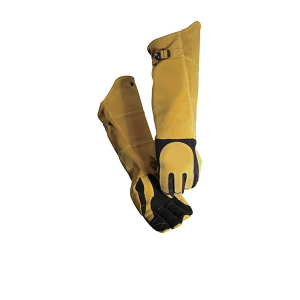
High quality Gloves & Hand Protection solutions designed to protect hands from mechanical, chemical, thermal, and biological hazards across industrial, commercial, and professional work environments.
Overview
Gloves & Hand Protection are essential personal protective equipment (PPE) designed to safeguard the hands and wrists from workplace hazards. Hands are among the most frequently injured parts of the body in industrial and manual work, making proper hand protection critical for safety, productivity, and compliance.
Purpose of Hand Protection
Work gloves provide a protective barrier against physical injuries such as cuts, abrasions, blisters, splinters, punctures, and impact injuries. They also protect against chemical exposure, extreme temperatures, electrical risks, and biological contaminants, depending on the glove material and design.
Importance in Workplace Safety
Without appropriate hand protection, workers are exposed to a high risk of injuries that can lead to lost work time, infections, permanent damage, or reduced dexterity. Proper glove selection significantly reduces these risks while allowing workers to perform tasks safely and efficiently.
Types of Gloves & Applications
- Mechanical Protection Gloves: Designed to protect against cuts, abrasions, punctures, and impact during handling of tools and materials.
- Chemical Resistant Gloves: Made from rubber, plastic, or synthetic materials to protect against oils, solvents, acids, and other hazardous chemicals.
- Heat Resistant Gloves: Used for protection against high temperatures, hot surfaces, and molten materials.
- Cold Protection Gloves: Insulated gloves designed for low-temperature and cold-storage environments.
- Electrical Insulating Gloves: Designed to protect workers from electrical hazards.
- Disposable & Hygiene Gloves: Used in laboratories, healthcare, and food handling to prevent contamination and infection.
Biological & Hygiene Protection
Gloves provide an effective barrier against germs and contaminants. When used correctly, they help prevent cross-contamination and protect both the wearer and others from potential infection. This is especially important in healthcare, laboratory, food processing, and childcare environments.
Material Selection
Glove performance depends heavily on material selection. Common materials include leather, latex, nitrile, neoprene, PVC, rubber, and synthetic fibers. Each material offers specific resistance properties and must be selected based on the hazards present in the work environment.
Regulatory & Safety Considerations
Occupational safety regulations and standards require employers to assess workplace hazards and provide suitable hand protection. Gloves must comply with relevant safety standards and be appropriate for the specific risks involved in the task.
Proper Use & Training
Effective hand protection requires correct glove selection, proper fitting, and user training. Workers should be trained on when to wear gloves, how to remove them safely, and when to replace damaged or contaminated gloves to maintain protection.
Applications
- Construction and infrastructure projects
- Manufacturing and industrial facilities
- Chemical and laboratory environments
- Oil, gas, and petrochemical industries
- Healthcare and medical facilities
- Food processing and hygiene-critical areas
Benefits
- Reduces risk of hand injuries and infections
- Protects against chemical, thermal, and mechanical hazards
- Improves worker safety and productivity
- Supports regulatory compliance
- Enhances overall workplace safety culture
Conclusion
Gloves & Hand Protection are a fundamental component of personal protective equipment systems. By selecting the right gloves for the job, organizations can significantly reduce injury risks, protect worker health, and maintain safe and efficient operations across all industries.
Interested in Gloves & Hand Protection?
Send us your specifications, quantities, or technical questions — our team will respond within 24 hours with pricing, lead time, and engineering details.
- ✓ 24h response
- ✓ 600+ product network
- ✓ No obligation