Respiratory Protection
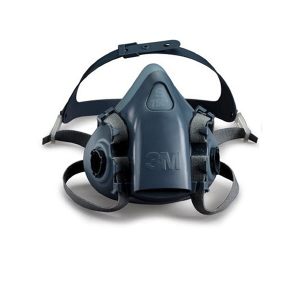
High quality Respiratory Protection designed to protect users from inhaling hazardous airborne contaminants such as dust, fumes, vapours, gases, and airborne microorganisms in industrial and high-risk environments.
Overview
Respiratory Protection refers to personal protective equipment (PPE) designed to safeguard the wearer from inhaling hazardous atmospheres. These hazards may include particulate matter such as dusts, mists, metal fumes, airborne microorganisms, as well as harmful gases and vapours.
Purpose & Importance
Respirators are essential in environments where engineering controls and ventilation systems are insufficient to eliminate airborne hazards. Proper respiratory protection helps prevent acute and chronic respiratory illnesses, chemical exposure, and long-term health complications.
Main Types of Respirators
- Air-Purifying Respirators (APR): These respirators remove contaminants from ambient air by filtering particulates or absorbing gases and vapours before the air is inhaled. They are commonly used for protection against dust, fumes, mists, and certain chemical vapours.
- Supplied-Air Respirators (SAR): These systems provide clean breathing air from an external source, such as an air cylinder or compressor, and are used in oxygen-deficient or highly contaminated environments.
Air-Purifying Respirators (APR)
Air-purifying respirators function by passing ambient air through filters, cartridges, or canisters. These components are designed to capture particulate matter or neutralize gases and vapours before they reach the user’s respiratory system.
Supplied-Air Respirators (SAR)
Supplied-air respirators deliver breathable air from a remote source, ensuring protection in environments where air-purifying respirators cannot be safely used. They are suitable for confined spaces, high-toxicity atmospheres, and oxygen-deficient areas.
Common Forms of Respiratory Protection
- Disposable dust masks
- Half-face and full-face respirators
- Powered Air-Purifying Respirators (PAPR)
- Supplied-air and airline respirators
Respiratory Protection Programs
When respirators are used to protect employees from airborne chemical hazards, occupational safety regulations typically require a written respiratory protection program. This program includes hazard assessment, respirator selection, fit testing, training, maintenance, and medical evaluation.
Applications
- Industrial manufacturing and processing plants
- Construction and demolition sites
- Chemical, oil, and gas industries
- Healthcare and laboratory environments
- Mining, utilities, and confined space operations
Standards & Compliance
Respiratory protection equipment is manufactured and selected in accordance with international standards such as OSHA, EN, NIOSH, and ISO. Proper selection, correct usage, and regular maintenance are essential to ensure effective protection.
Conclusion
Respiratory Protection is a critical element of workplace safety. When properly selected and integrated into a comprehensive PPE and safety management program, respirators significantly reduce exposure to airborne hazards and protect worker health.
Interested in Respiratory Protection?
Send us your specifications, quantities, or technical questions — our team will respond within 24 hours with pricing, lead time, and engineering details.
- ✓ 24h response
- ✓ 600+ product network
- ✓ No obligation