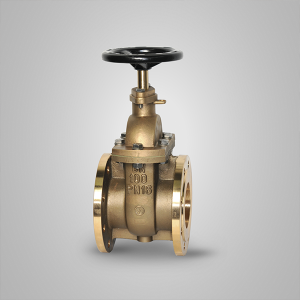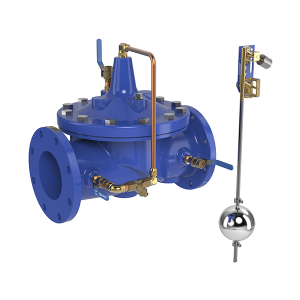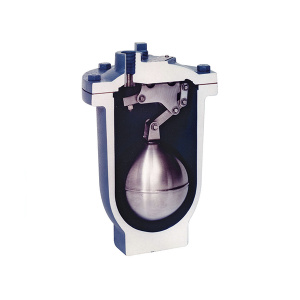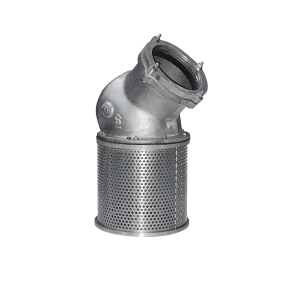
Check Valve
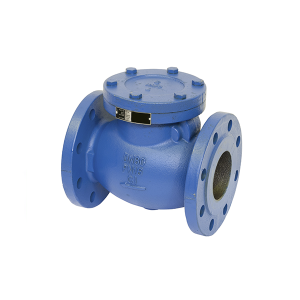
Check valves are automatic flow-control valves designed to allow fluid to flow in one direction only and prevent reverse flow, protecting piping systems, pumps, and equipment from backflow damage.
Overview
A check valve is an automatic valve that opens when fluid flows in the forward direction and closes when flow stops or reverses. It operates without external control, using the pressure and direction of the fluid itself to function.
Working Principle
When fluid flows in the correct direction, pressure forces the internal disc or mechanism away from the seat, allowing flow. If the flow slows, stops, or reverses, the disc returns to the seat by gravity, spring force, or back pressure, preventing backflow.
Main Types of Check Valves
- Swing Check Valve: Uses a hinged disc that swings open with forward flow and closes when flow reverses
- Lift Check Valve: Uses a piston or ball that lifts from the seat under forward flow pressure
- Ball Check Valve: Employs a free-moving ball to block reverse flow
- Butterfly Check Valve: Compact design using spring-loaded discs
- Tilting Disc Check Valve: Designed for faster response and reduced water hammer
Swing Check Valve Characteristics
- Low pressure drop due to unobstructed flow path
- Disc swings freely and is unguided
- Automatically closes when flow reaches zero
- Suitable for horizontal installations and some vertical applications
Lift Check Valve Characteristics
- Disc is guided precisely within the valve body
- Ideal for high-pressure and high-velocity applications
- Can be installed horizontally or vertically with upward flow
- Provides tighter sealing compared to swing check valves
Design Features
- Automatic operation without external power
- Simple and robust internal mechanism
- Available in various materials and pressure ratings
- Low maintenance requirements
Applications
- Water supply and distribution systems
- Pump discharge lines
- Oil, gas, and chemical processing systems
- HVAC and steam systems
- Industrial piping networks
Advantages
- Prevents backflow and protects equipment
- Fully automatic operation
- Low pressure loss (especially swing type)
- Wide range of sizes and configurations
- Improves system safety and reliability
Interested in Check Valve?
Send us your specifications, quantities, or technical questions — our team will respond within 24 hours with pricing, lead time, and engineering details.
- ✓ 24h response
- ✓ 600+ product network
- ✓ No obligation