Diaphragm Valve
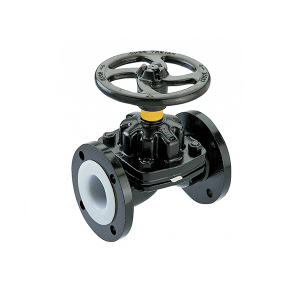
Diaphragm valves are flow-control valves that use a flexible diaphragm to regulate, throttle, or shut off fluid flow. Their sealed design isolates operating components from the process media, making them ideal for corrosive, abrasive, viscous, and hygienic applications.
Overview
A diaphragm valve, also known as a membrane valve, consists of a valve body with one or more ports, a flexible diaphragm, and a seat (weir or saddle). Flow control is achieved by pressing the diaphragm against the seat to close the valve or lifting it to allow flow.
Working Principle
The diaphragm is actuated by a stem or compressor mechanism. As the actuator moves downward, the diaphragm seals against the valve seat, stopping flow. When lifted, the diaphragm opens the flow path. Because the diaphragm separates the actuator from the process fluid, internal components remain isolated from the medium.
Design Characteristics
- Flexible elastomer or PTFE diaphragm, sometimes reinforced
- Weir-type or straight-through (full bore) body design
- Manual or automated operation (pneumatic, electric)
- Leak-tight sealing with minimal internal dead space
Material Options
- Body materials: metals, solid plastics, rubber-lined or glass-lined designs
- Diaphragm materials: elastomers, PTFE, or composite membranes
Key Features
- Operating parts isolated from the flow medium
- Excellent resistance to corrosion and abrasion
- Suitable for viscous fluids, slurries, and contaminated media
- Prevents leakage to the environment
Applications
- Chemical and petrochemical processing
- Water and wastewater treatment
- Food and beverage industries
- Pharmaceutical and hygienic systems
- Vacuum and low-pressure gas services
- Slurry and abrasive fluid handling
Advantages
- Excellent sealing performance
- No contamination between fluid and environment
- Low maintenance due to simple construction
- Effective throttling and shut-off capability
Limitations
- Typically suited for low to medium pressure applications
- Diaphragm material limits maximum operating temperature
Interested in Diaphragm Valve?
Send us your specifications, quantities, or technical questions — our team will respond within 24 hours with pricing, lead time, and engineering details.
- ✓ 24h response
- ✓ 600+ product network
- ✓ No obligation