Double Block Valve
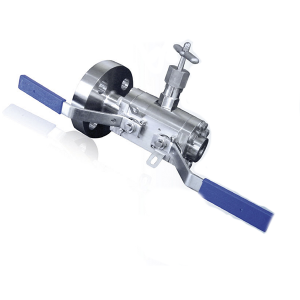
Double block valves are designed to provide secure isolation by sealing against pressure from both upstream and downstream sides while allowing safe venting or bleeding of the valve cavity. They are widely used in critical pipeline and process applications where safety, contamination prevention, and maintenance isolation are required.
Overview
According to API 6D (Specification for Pipeline Valves), a double block-and-bleed valve is a single valve with two seating surfaces that, in the closed position, provides a seal against pressure from both ends of the valve, with a means of venting or bleeding the cavity between the seating surfaces.
Design & Function
- Two independent sealing surfaces within a single valve body
- Provides isolation from both upstream and downstream pressure
- Bleed or vent port allows depressurization of the cavity between seats
- Enhances operational safety during maintenance and inspection
Valve Types Used as Double Block Valves
- Ball valves
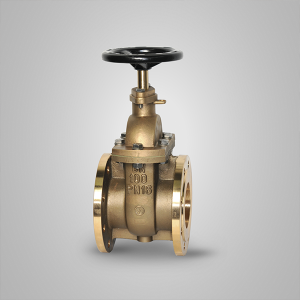
- Gate valves
- Plug valves
Applications
- Pipeline isolation for maintenance and repair
- Prevention of product contamination
- Meter calibration systems
- Transmission and storage pipelines
- Chemical injection and sampling lines
- Isolation of instrumentation such as pressure gauges and indicators
- Primary process steam systems
- Liquid services near waterways or municipalities
Key Advantages
- High level of safety through double isolation
- Ability to verify sealing integrity via cavity bleeding
- Reduced risk of leakage during maintenance
- Compact solution compared to multiple valve arrangements
- Compliance with API 6D standards
Interested in Double Block Valve?
Send us your specifications, quantities, or technical questions — our team will respond within 24 hours with pricing, lead time, and engineering details.
- ✓ 24h response
- ✓ 600+ product network
- ✓ No obligation