Float Valve
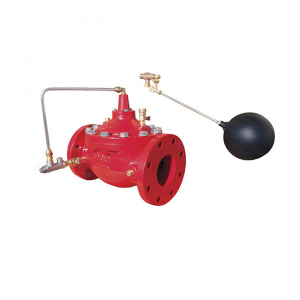
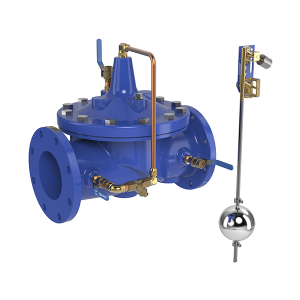
Float valves are automatic control valves used to regulate liquid levels and prevent overflow or backflow in tanks, pipelines, and industrial systems. They operate using a floating mechanism that opens or closes the valve according to fluid level changes.
Overview
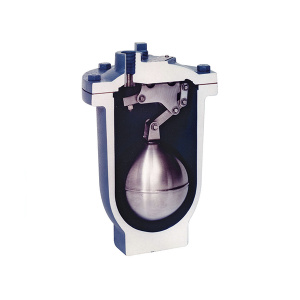
A float valve controls fluid flow automatically by means of a buoyant float. As the liquid level rises or falls, the float moves accordingly and actuates the valve to either stop or allow flow, ensuring stable and controlled liquid levels.
Operating Principle
- The float rises with increasing liquid level and closes the valve
- When the liquid level drops, the float descends and opens the valve
- Provides automatic level control without external power
Types of Float Valves
- Flapper Type: Spring-loaded design, normally closed, suitable for abrasive fluids and high-flow conditions
- Plunger Type: Provides instant and positive shut-off with enhanced durability and sealing performance
Design Features
- Automatic operation based on fluid level
- Reliable backflow prevention
- Simple mechanical construction
- Minimal maintenance requirements
Applications
- Water storage tanks and reservoirs
- Oil and gas drilling operations
- Industrial fluid control systems
- Preventing overflow and backflow in pipelines
Advantages
- Fully automatic level control
- No external power required
- Durable and efficient operation
- Suitable for clean and abrasive fluids
We manufacture custom
Interested in Float Valve?
Send us your specifications, quantities, or technical questions — our team will respond within 24 hours with pricing, lead time, and engineering details.
- ✓ 24h response
- ✓ 600+ product network
- ✓ No obligation