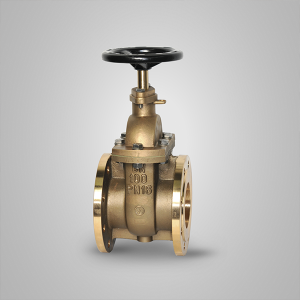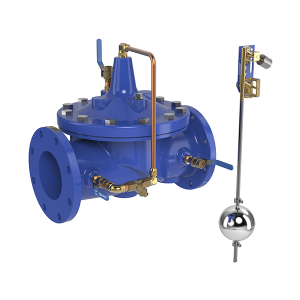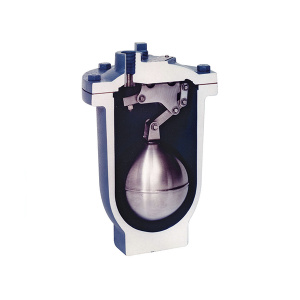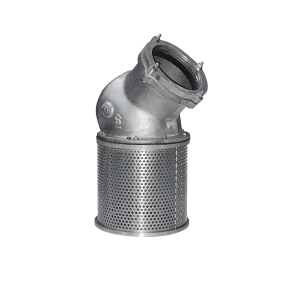
Globe Valve
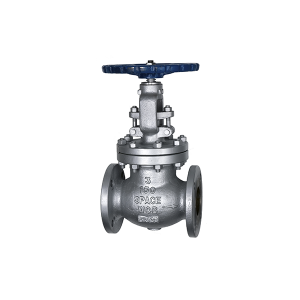
Globe valves are control valves designed to start, stop, and regulate fluid flow with high accuracy. Their internal disk-and-seat design allows precise throttling, making them ideal for applications where flow control and tight shut-off are required.
Overview
A globe valve is primarily used for flow regulation and shut-off. It consists of a movable disk or plug and a stationary ring seat housed within a generally spherical valve body. This construction allows precise control of flow rate.
Operating Principle
When the valve handle or actuator is operated, the disk moves perpendicular to the flow path. Raising the disk allows fluid to pass through the seat opening, while lowering it closes the valve completely. The valve can handle flow in either direction depending on its design.
Design Characteristics
- Disk-type or plug-type closure element
- Seat positioned in the center of the valve body
- Multi-turn operation
- Suitable for frequent operation
Flow Behavior
- Excellent throttling and flow regulation capability
- Higher pressure drop compared to gate or ball valves due to flow redirection
- Not recommended for slurries or fluids with high solid content
Actuation Options
- Manual handwheel operation
- Electric actuators
- Pneumatic actuators
- Hydraulic actuators
Design Considerations
- Required flow control range
- Allowable pressure drop
- Service duty and operating frequency
- Corrosion resistance based on media
Typical Applications
- Cooling water systems with regulated flow
- Fuel oil systems requiring precise control
- High-point vents and low-point drains
- Feedwater and chemical feed systems
- Boiler vents, drains, and main steam systems
- Turbine seals, drains, and lubrication oil systems
Key Advantages
- Accurate flow regulation
- Reliable shut-off performance
- Suitable for high-pressure applications
- Wide range of materials and configurations available
Interested in Globe Valve?
Send us your specifications, quantities, or technical questions — our team will respond within 24 hours with pricing, lead time, and engineering details.
- ✓ 24h response
- ✓ 600+ product network
- ✓ No obligation