Needle Valve
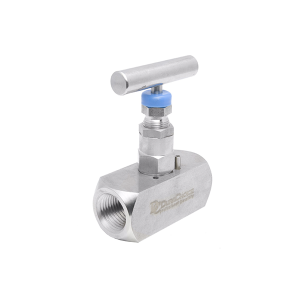
Needle valves are precision control valves designed to accurately regulate low flow rates of liquids and gases. With a threaded needle-shaped plunger, they provide fine flow adjustment, making them ideal for metering, instrumentation, and control applications.
Overview
A needle valve is a flow control valve featuring a small port and a finely threaded, needle-shaped plunger. This design allows very precise adjustment of flow, especially in low-flow applications where accuracy is critical.
Operating Principle
Flow is controlled by turning the valve stem, which moves the needle gradually into or out of the valve seat. This linear movement enables smooth, incremental flow changes and allows the valve to shut off flow gradually rather than abruptly.
Design Characteristics
- Threaded needle-shaped plunger for fine adjustment
- Small orifice designed for low flow rates
- Bi-directional flow control capability
- High precision throttling performance
Flow Control Features
- Excellent for precise metering and regulation
- Allows gradual opening and closing
- Not suitable for high flow rate applications
Materials
- Stainless Steel
- Alloy Steel
- Brass
- Bronze
Applications
- Oil and gas flow regulation and metering
- Power generation systems
- Instrumentation and control panels
- Cooling systems
- Steam, air, gas, and chemical dosing lines
Typical Uses
- Precise flow adjustment for sensitive gauges
- Metering applications with low flow demand
- Gradual shut-off where sudden pressure changes must be avoided
Key Advantages
- High accuracy flow control
- Smooth and stable operation
- Reliable performance in low-flow systems
- Wide material selection for various media
Interested in Needle Valve?
Send us your specifications, quantities, or technical questions — our team will respond within 24 hours with pricing, lead time, and engineering details.
- ✓ 24h response
- ✓ 600+ product network
- ✓ No obligation