Plug Valve
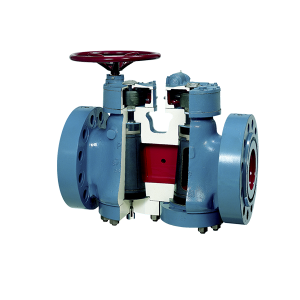
Plug valves are quarter-turn shut-off valves that use a cylindrical or tapered plug to control fluid flow. Their simple construction provides tight sealing, quick operation, and low flow resistance, making them suitable for on-off and limited throttling applications.
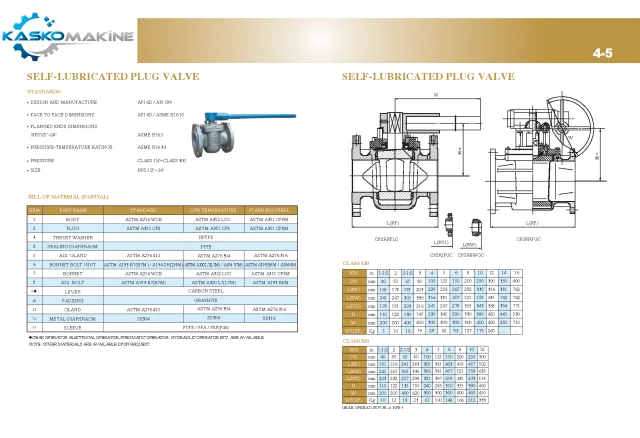
Overview
A plug valve, also known as a cock valve, is one of the earliest and simplest valve designs. It consists of a rotating plug fitted inside the valve body. The plug contains a port that aligns with the flow path when open and blocks flow when rotated 90 degrees.
Operating Principle
Flow is controlled by rotating the plug inside the valve body. When the port in the plug is aligned with the pipeline, the valve is open. A quarter-turn rotation closes the valve completely. Due to this design, plug valves offer fast and positive shut-off.
Design Characteristics
- Tapered or cylindrical plug design
- Quarter-turn (90°) operation
- Rectangular or round flow port
- Lubricated or non-lubricated constructions
Key Advantages
- Simple design with few moving parts
- Quick open and close operation
- Reliable leak-tight sealing
- Low pressure drop when fully open
- Easy to clean without removing from pipeline
Limitations
- Higher operating torque due to plug friction
- Actuators may be required for larger sizes
- Generally more expensive than ball valves
- Not ideal for precise flow regulation
Materials
- Cast Iron
- Carbon Steel
- Stainless Steel
- Bronze
Applications
- On-off flow control
- Flow diversion using multi-port valves
- Moderate throttling applications
- Oil, gas, chemical, and water services
Interested in Plug Valve?
Send us your specifications, quantities, or technical questions — our team will respond within 24 hours with pricing, lead time, and engineering details.
- ✓ 24h response
- ✓ 600+ product network
- ✓ No obligation