Pressure Sealed Valve
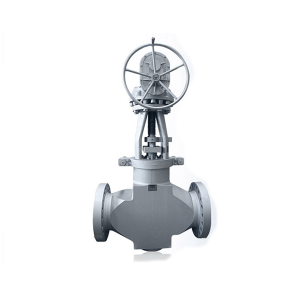
Pressure sealed valves are designed for high-pressure and high-temperature services, using internal system pressure to enhance the sealing performance between the valve body and bonnet. This design ensures superior leak-tightness and reliability in critical industrial applications.
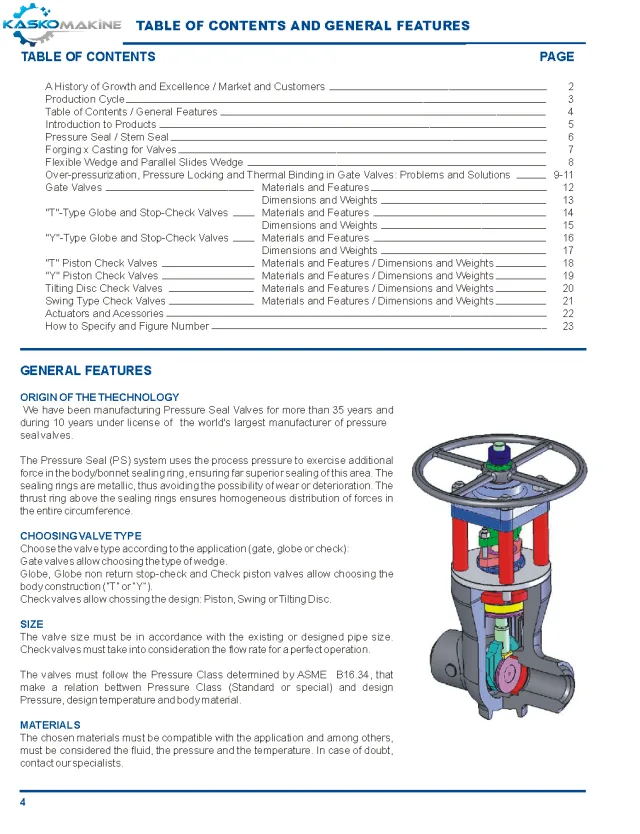
Overview
A pressure sealed valve uses system pressure to create a tighter seal between the valve body and bonnet. Unlike bolted bonnet designs, sealing efficiency increases as internal pressure rises, making this valve ideal for severe service conditions.
Design Principle
The pressure seal bonnet utilizes internal pressure acting against a sealing ring, forcing it firmly against the valve body and bonnet surfaces. This self-energizing mechanism minimizes leakage risk even under extreme operating conditions.
Key Features
- Self-energizing body-to-bonnet seal
- Leak-tight performance at high pressures
- Reduced bolting requirements compared to conventional designs
- Robust construction for severe service
Advantages
- Improved sealing as pressure increases
- Excellent performance in high-temperature applications
- Lower risk of body-bonnet joint leakage
- Long service life with minimal maintenance
Applications
- Power generation plants
- High-pressure steam systems
- Oil and gas processing facilities
- Chemical and petrochemical industries
Common Valve Types
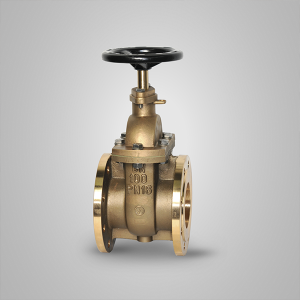
- Gate valves
- Globe valves
- Check valves
Interested in Pressure Sealed Valve?
Send us your specifications, quantities, or technical questions — our team will respond within 24 hours with pricing, lead time, and engineering details.
- ✓ 24h response
- ✓ 600+ product network
- ✓ No obligation