Safety Valve
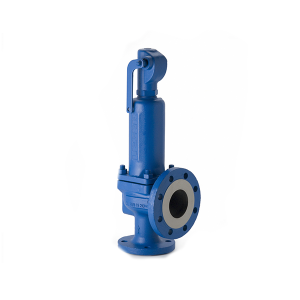
Safety valves are automatic pressure-relieving devices designed to protect equipment, systems, and personnel by releasing excess pressure when it exceeds a preset limit. They ensure safe operation in pressurized systems without the need for external power.
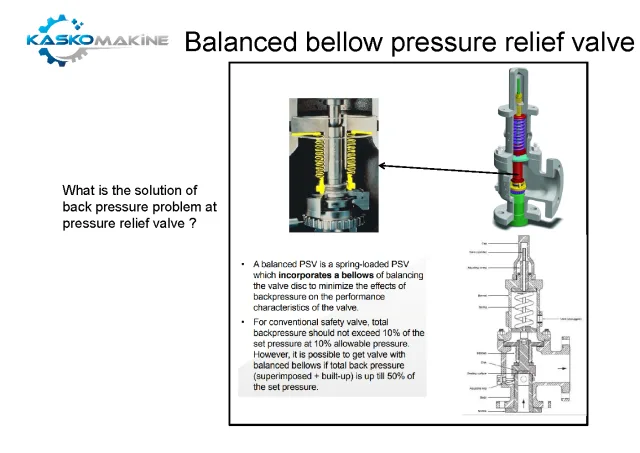
Overview
A safety valve is a critical protective component installed in pressurized systems to prevent overpressure conditions that could lead to equipment damage, explosions, or safety hazards. It operates automatically based on system pressure.
Operating Principle
When the inlet pressure reaches a predetermined set pressure, the valve disc opens automatically and discharges excess fluid such as steam or gas. Once the pressure drops to a safe level, the valve closes again, restoring normal operation.
Key Characteristics
- Fully automatic operation without external power
- Fast response to overpressure conditions
- Reliable and repeatable pressure control
- Designed as the final safety device in pressure systems
Advantages
- Prevents equipment damage and system failure
- Protects personnel and surrounding infrastructure
- Ensures compliance with safety regulations and standards
- Long service life with minimal maintenance
Applications
- Pressure vessels
- Boilers and steam systems
- Chemical and petrochemical plants
- Power generation facilities
- Gas storage and transmission systems
Interested in Safety Valve?
Send us your specifications, quantities, or technical questions — our team will respond within 24 hours with pricing, lead time, and engineering details.
- ✓ 24h response
- ✓ 600+ product network
- ✓ No obligation