Steam Traps
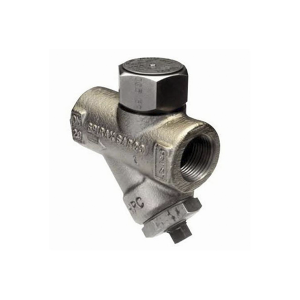
Steam traps are automatic valves designed to discharge condensate and non-condensable gases from steam systems while preventing the loss of live steam, ensuring efficient and safe operation.

Product Catalogue Steam Traps
Overview
A steam trap is a mechanical device used in steam systems to automatically remove condensate, air, and other non-condensable gases without allowing live steam to escape.
Function
During steam usage, heat loss causes steam to condense into water. Steam traps discharge this condensate to maintain heat transfer efficiency, prevent water hammer, and protect equipment.
Key Characteristics
- Automatically opens and closes based on system conditions
- Discharges condensate and non-condensable gases
- Prevents loss of live steam
- Improves energy efficiency and system reliability
Types of Steam Traps
- Thermodynamic steam traps
- Thermostatic steam traps
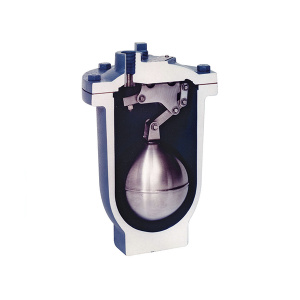
- Mechanical steam traps (float and inverted bucket)
Advantages
- Ensures efficient heat transfer
- Reduces energy losses
- Prevents water hammer and corrosion
- Extends equipment service life
Applications
- Steam heating systems
- Industrial process plants
- Power generation facilities
- Heat exchangers
- Steam pipelines and tracing systems
We manufacture custom
Interested in Steam Traps?
Send us your specifications, quantities, or technical questions — our team will respond within 24 hours with pricing, lead time, and engineering details.
- ✓ 24h response
- ✓ 600+ product network
- ✓ No obligation