
Router Bits
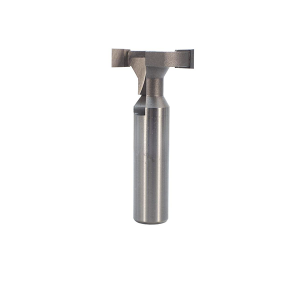
High quality Router Bits designed for precise cutting, shaping, grooving, and edge profiling in woodworking and composite material applications.
Overview
Router bits are cutting tools used with routers and CNC routing machines to shape, cut, groove, and profile materials—primarily wood, but also plastics, laminates, and composite boards. Their versatility makes them essential tools in woodworking, cabinetry, furniture production, and decorative applications.
Basic Function
When mounted on a router spindle, router bits rotate at high speed to remove material from the workpiece. By selecting different bit profiles and cutting depths, users can create straight cuts, grooves, decorative edges, joints, and complex contours.
Straight Router Bits
Straight router bits are workshop staples used to make straight cuts into a material. They are commonly used to create grooves, dados (grooves across the wood grain), mortises, and recesses for inlays. These bits are available in various diameters and cutting lengths to suit different applications.
Common Types of Router Bits
- Straight Bits: Used for grooving, dado cutting, and hollowing operations.
- Edge Forming Bits: Create decorative edges such as round-over, chamfer, ogee, and cove profiles.
- Flush Trim Bits: Used to trim excess material flush with a template or workpiece edge.
- Rabbeting Bits: Designed to cut shoulders or steps along the edge of a workpiece.
- Slot Cutting Bits: Used for cutting slots for joinery and panel insertion.
- V-Groove & Engraving Bits: Ideal for lettering, sign-making, and decorative carving.
Applications
- Cabinetry and furniture manufacturing
- Decorative moldings and edge profiling
- Joinery operations (dados, mortises, rabbets)
- Sign making and engraving
- CNC routing and pattern cutting
Materials Compatibility
- Hardwood and softwood
- Plywood and MDF
- Laminates
- Plastics and acrylics
- Composite and engineered wood materials
Tool Materials & Construction
Router bits are typically manufactured from high-speed steel (HSS) or solid carbide. Carbide-tipped and solid carbide router bits offer superior wear resistance, longer tool life, and cleaner cuts, especially when working with abrasive materials like MDF and laminates.
Shank Sizes
Common shank sizes include 1/4 inch, 1/2 inch, and 8 mm. Selecting the correct shank size ensures compatibility with the router and improves cutting stability.
Advantages
- High precision and clean cutting results
- Wide variety of profiles and cutting options
- Suitable for both manual and CNC routing
- Excellent surface finish with minimal sanding required
- High productivity in woodworking operations
Selection Criteria
Choosing the right router bit depends on material type, desired cut profile, cutting depth, spindle speed, and application method. Proper selection enhances tool life, safety, and final surface quality.
Industrial Importance
Router bits are indispensable tools in modern woodworking and CNC routing. Their ability to perform both structural and decorative operations makes them essential for producing high-quality, repeatable, and visually refined components.